


2026-11-02 15:39:40
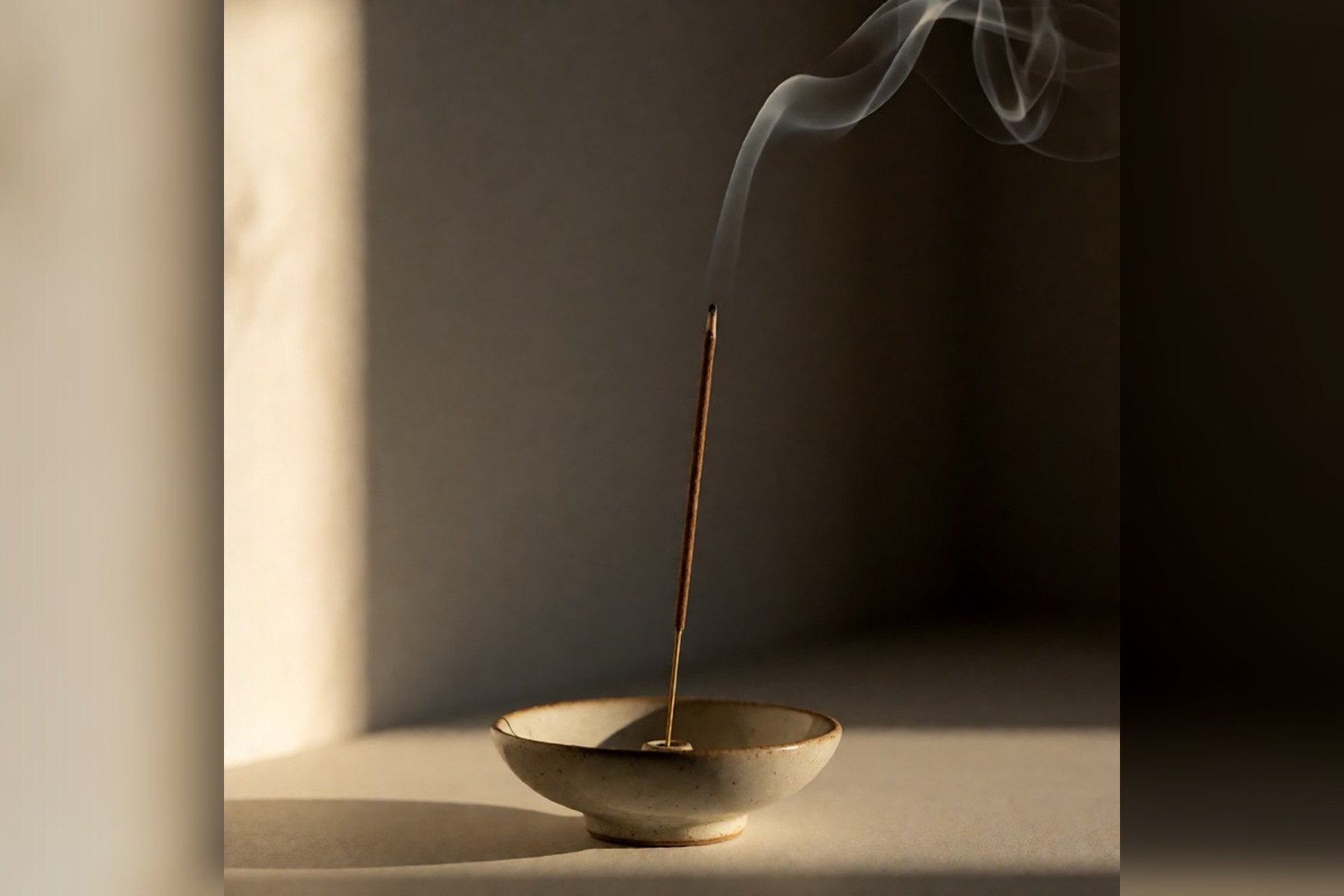
A clear guide to incense burners and holders: stick, cone and coil compatibility, heat, ash, airflow, placement and easy cleaning.
2026-11-02 15:39:40
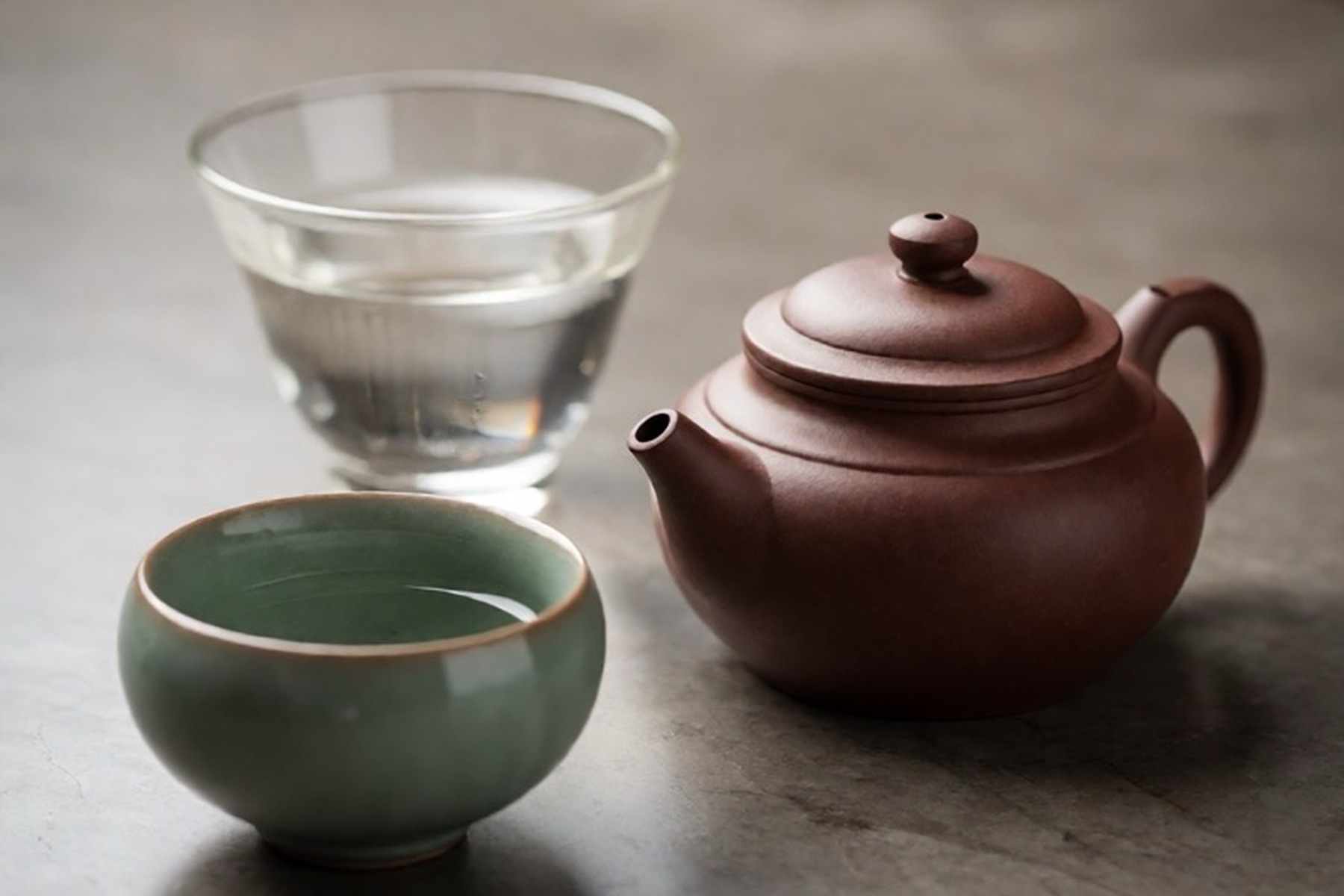
Compare a gaiwan and teapot for oolong tea by control, heat, capacity and leaf style, with a simple brewing baseline for both vessels.
2026-11-01 11:22:43
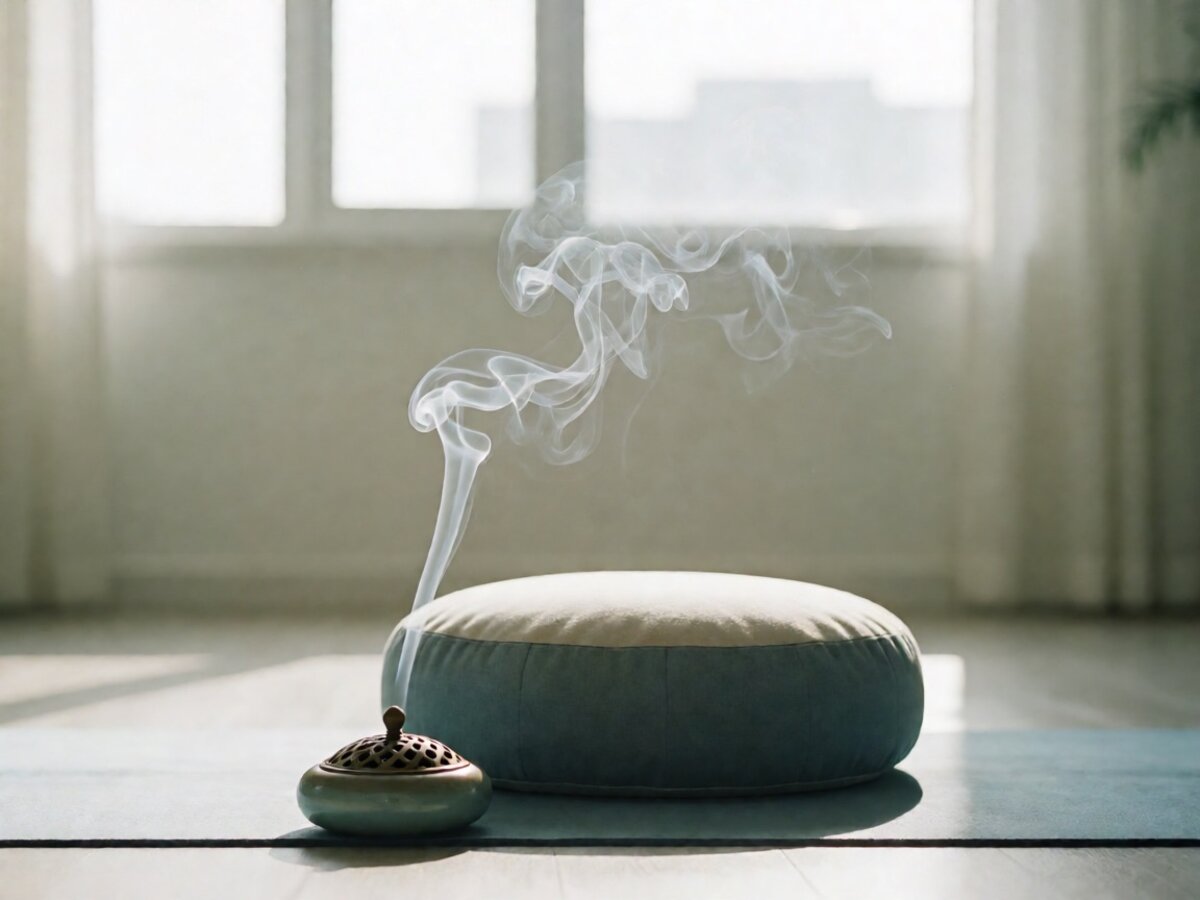
Sandalwood incense is warm, creamy and woody rather than sharp or sweet. The right amount depends on the room, the time of day and whether you want it to sit beside tea or stand on its own.
2026-11-01 11:22:43
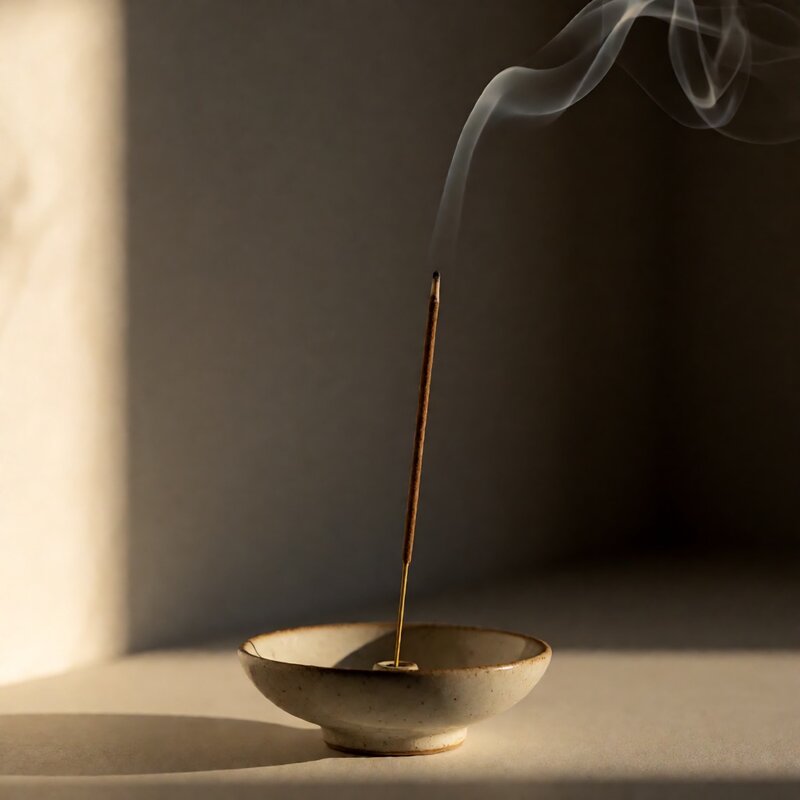
A good incense routine starts before the match. The holder, airflow and distance from the room decide whether the smoke feels clean and controlled or simply fills the house.
2026-11-01 11:22:43
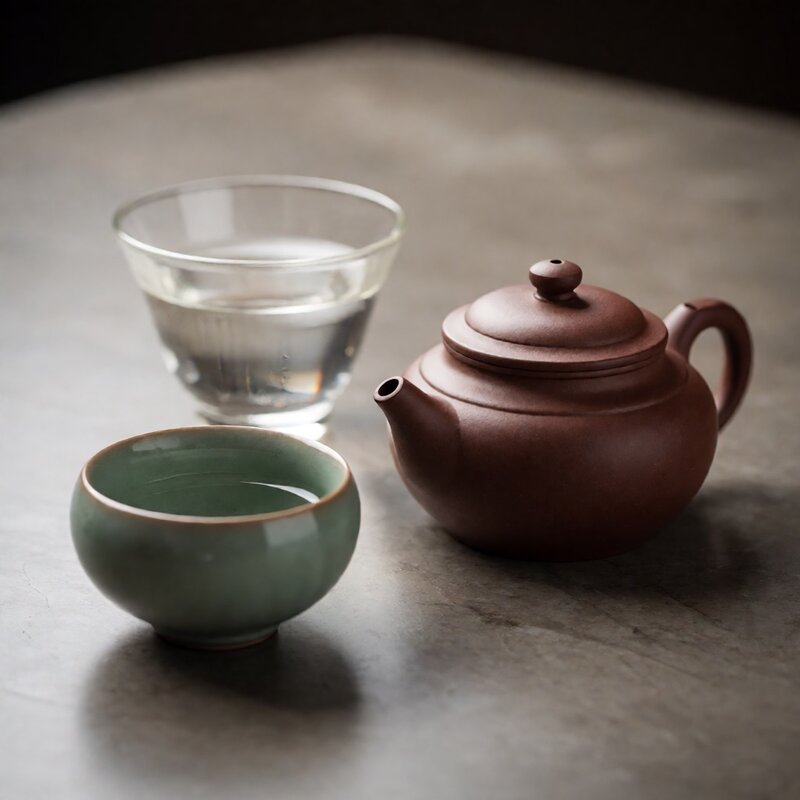
A gaiwan is one of the simplest ways to brew loose-leaf tea, but the first few pours can be awkward. Learn the grip, the water level and the small details that make it comfortable.
2026-11-01 11:22:43
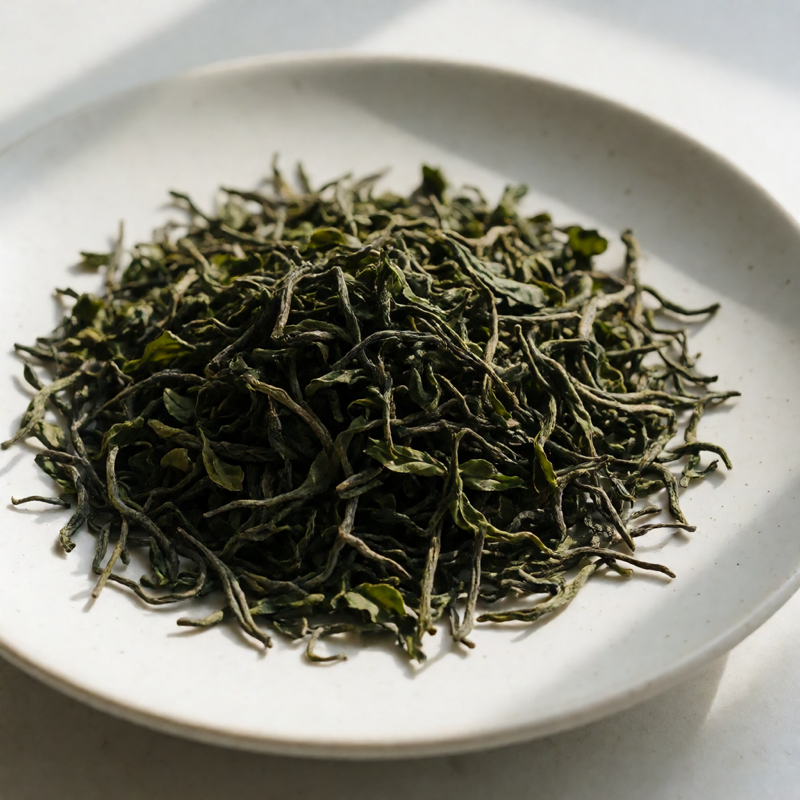
Oolong is not one flavor. A light Tie Guan Yin and a roasted Phoenix oolong can taste like different drinks. Here is how to read the aroma, body and finish in your cup.
2026-11-01 11:22:43
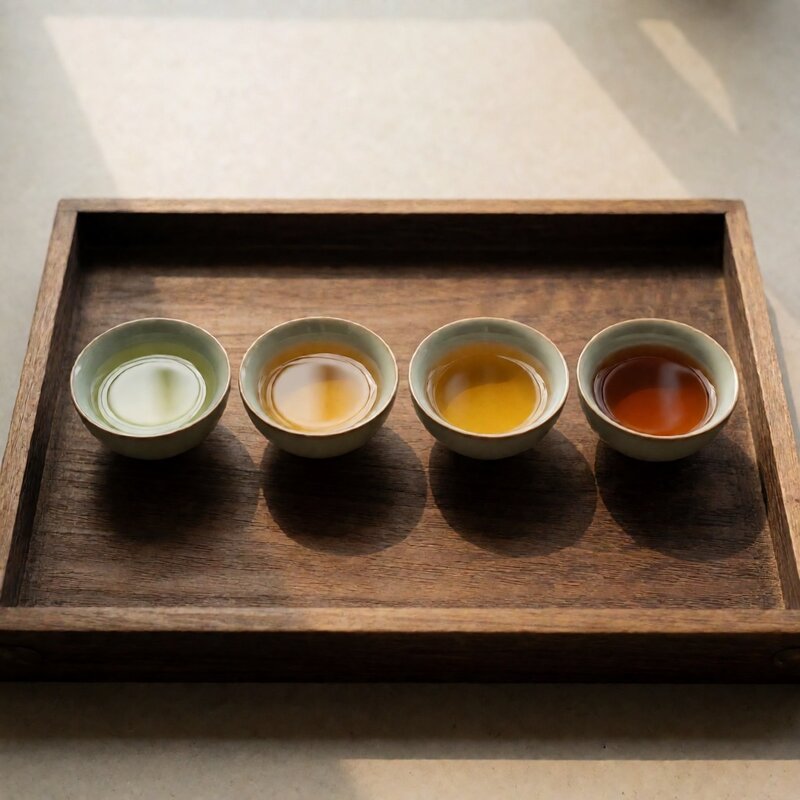
Oolong tea contains caffeine, but the exact amount changes with the leaf, the dose and the steep. Here is a practical way to understand your cup without chasing a single number.
2026-10-25 22:16:06
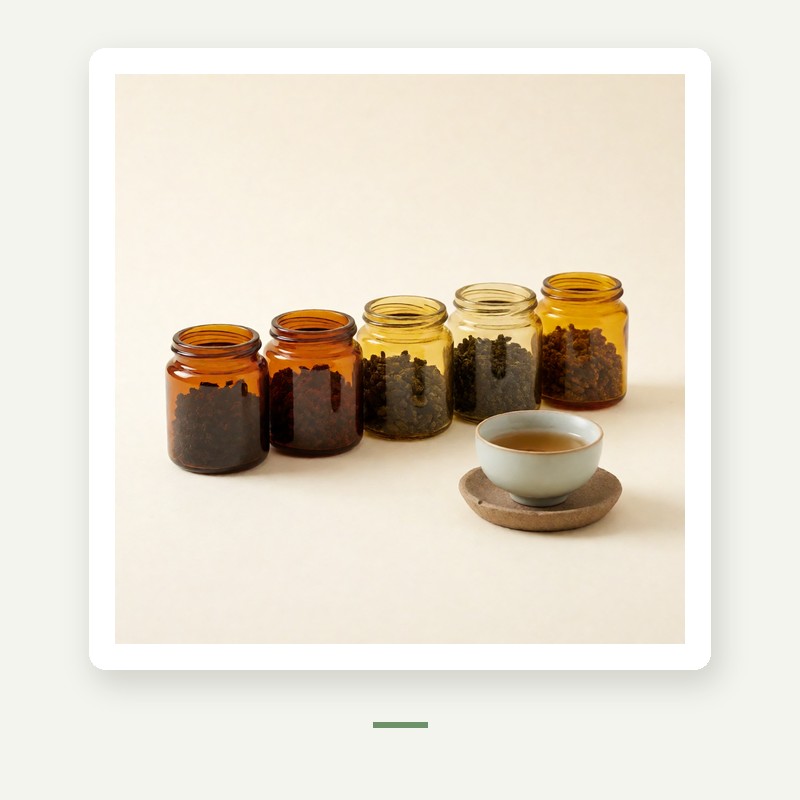
Tea goes stale in the cupboard, not in the shop. Four things do the damage, and only one of them is the container.
2026-10-19 16:20:00
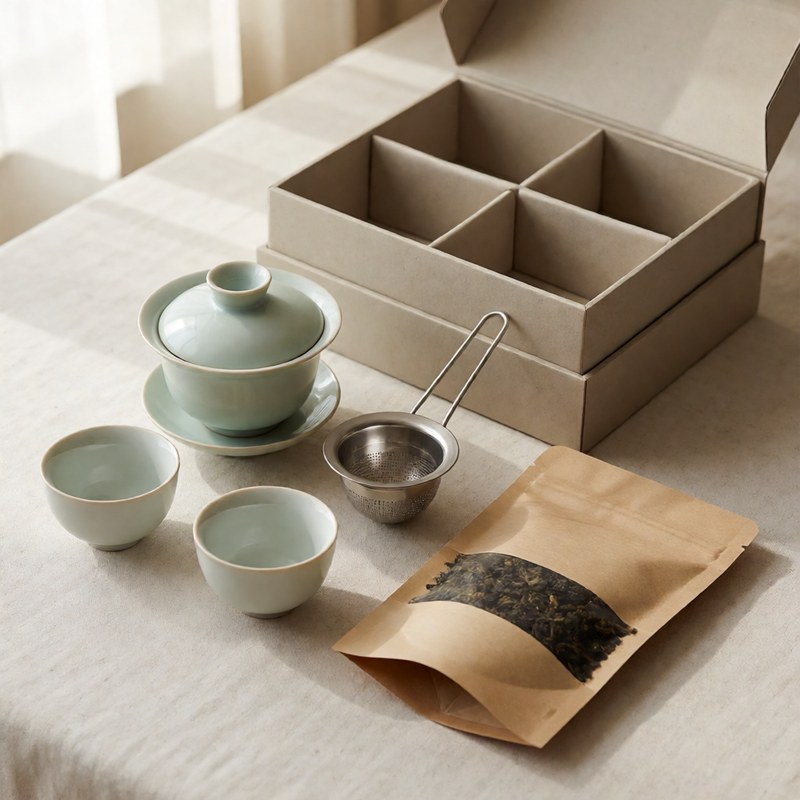
A beginner tea set works better when it is small: one forgiving tea, a gaiwan, two cups and a strainer. Here is what to skip.
2026-10-19 14:05:00
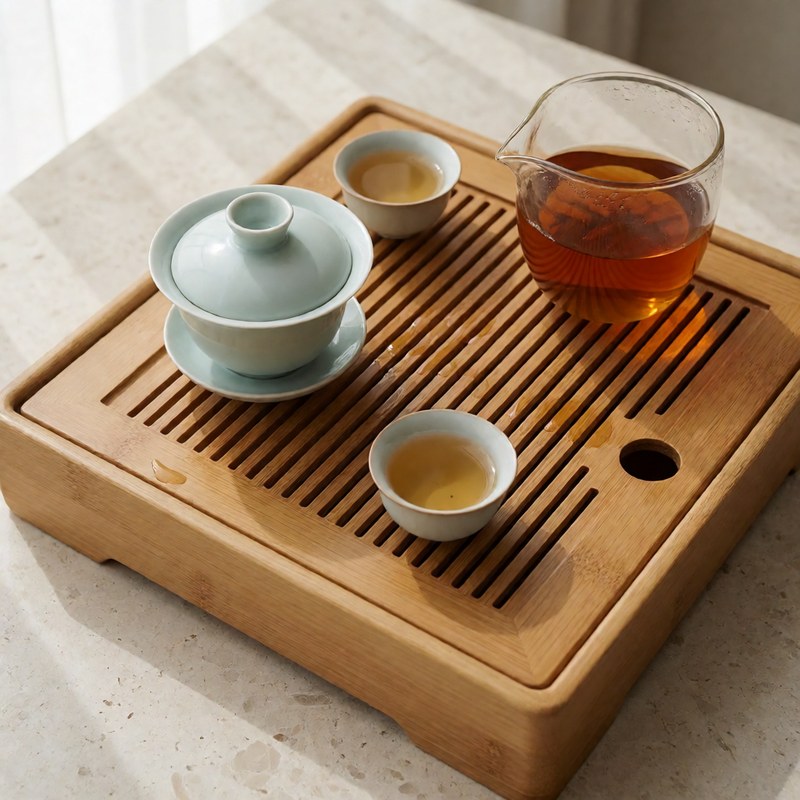
A tea tray catches water, holds wet cups and defines the session. Here is how drainage, size and material decide whether it works.
2026-10-19 11:50:00
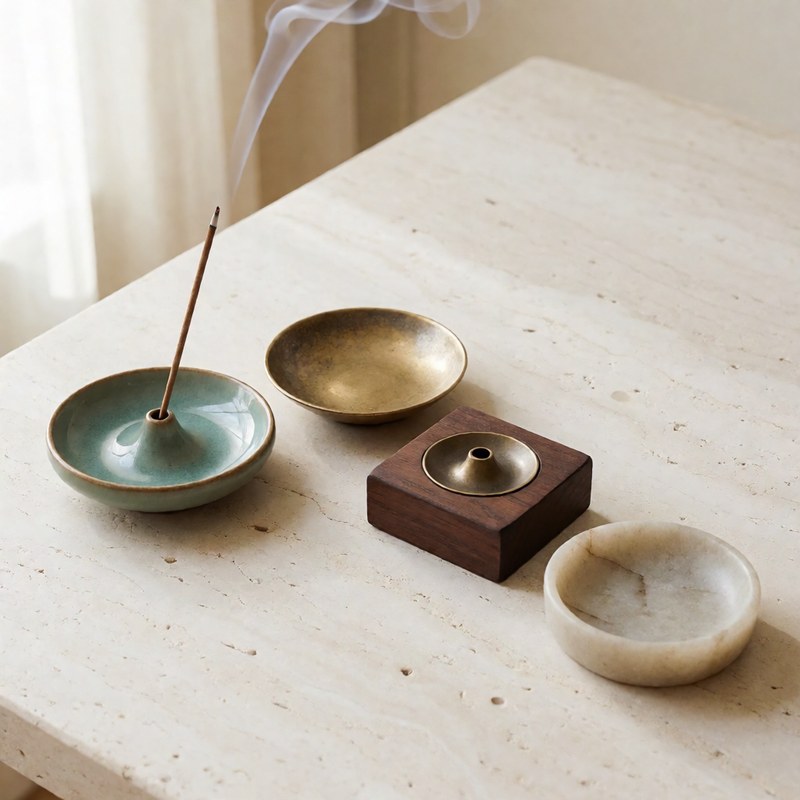
The material decides whether an incense holder survives heat and ash. Compare ceramic, brass, wood, stone and glass before you buy.
2026-10-19 09:35:00
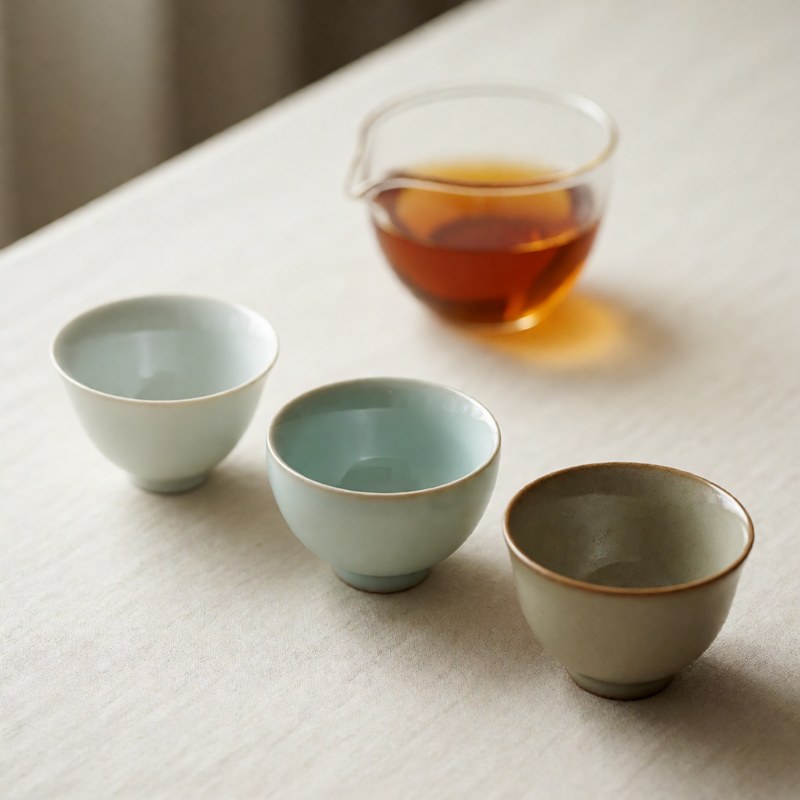
Capacity, wall thickness, rim and glaze decide whether a tea cup works every day. A practical guide for daily drinking.