

How to Store Loose Leaf Tea at Home: Light, Air, Heat and Odor
Loose leaf tea is more fragile than it looks. The leaves are dry, but they are still reacting to the room around them: light breaks down the compounds that carry aroma, oxygen oxidizes them, heat speeds the process up, and strong smells move straight into the leaf. A tin that looks airtight does not fix any of that if it sits on a sunny counter next to the spices.
Light
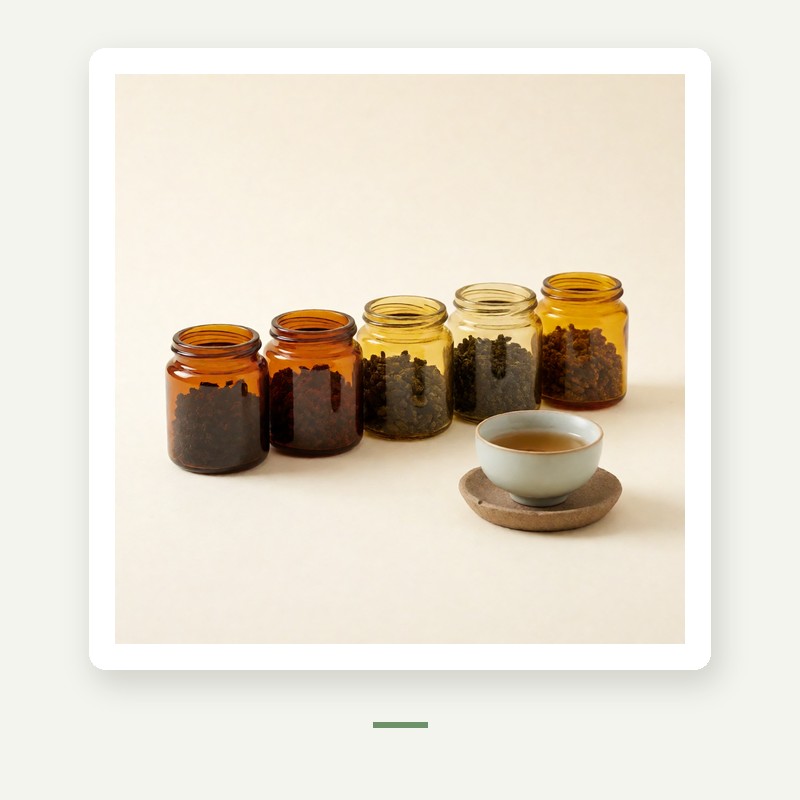
Light is the fastest way to flatten a tea. Clear glass jars are the worst container for tea, even though they look good on a shelf. The leaves fade from the outside in, and a green or lightly oxidized oolong will lose its brightness within weeks. Keep tea in an opaque tin, a ceramic jar, or a cupboard that stays closed. If you want to display the tea, display an empty jar and keep the real one in the dark.
Air and oxygen
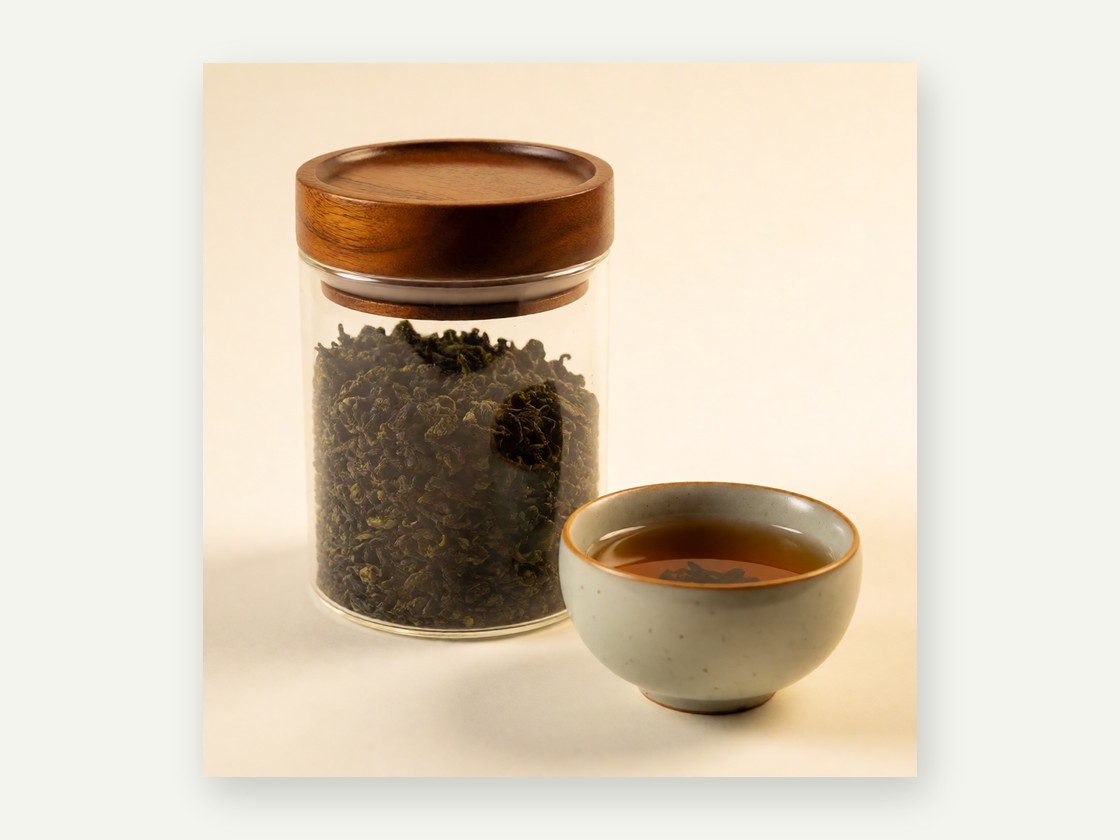
Tea does not need to breathe in daily storage. Every time the container opens, the leaf pulls in air and the aroma escapes. A tin with a tight lid and a small headspace is better than a large jar that is half empty. If you buy in bulk, split the tea into smaller containers and open only one at a time. Reopening a big bag every morning is the slowest way to make good tea taste ordinary.
Heat
Heat accelerates every reaction that makes tea go stale. The cupboard above the stove, the shelf next to the kettle, and the windowsill are all bad places. A cool, stable spot away from the kitchen's hot zone is enough. Most oolong, white and black tea does not need refrigeration, and putting tea in the fridge without a proper seal is worse than leaving it at room temperature, because the leaf will pick up the smell of everything else in there.
Odor
Dry tea absorbs smell. Coffee, spices, soap and cleaning products will all find their way into the leaf if they share a shelf. This is why a tea caddy should be used for tea and nothing else, and why a beautiful tin that once held coffee is a bad choice unless it has been aired and lined. If the tea already smells like the cupboard, no brewing method will fix it.
What container actually works
A simple tin with a double lid or a silicone gasket, an opaque ceramic jar with a tight lid, or the original foil bag with the air pressed out and the top folded and clipped. All three work. What does not work is a decorative glass jar with a loose cork, a paper bag left open, or a plastic container that still smells of its last contents. The container only has to do two things: keep light out and keep air mostly out.
How long, by tea type
Green and lightly oxidized oolong teas are the most perishable and are best finished within a few months. Medium and darker oolong hold longer and often improve slightly in the first year. White tea and aged raw pu-erh are the exceptions that are deliberately aged, but they still need stable, odor-free storage, not a damp basement. Black tea is the most forgiving. None of these timelines matter if the tea is stored warm and bright; the container and the cupboard decide the real shelf life.
Store less, buy more often, and keep the tea where you will actually use it. A small tin you open every morning beats a kilo of leaves going quiet in the back of a cupboard.