


Oolong Tea Caffeine: How Much Is Really in Your Cup?
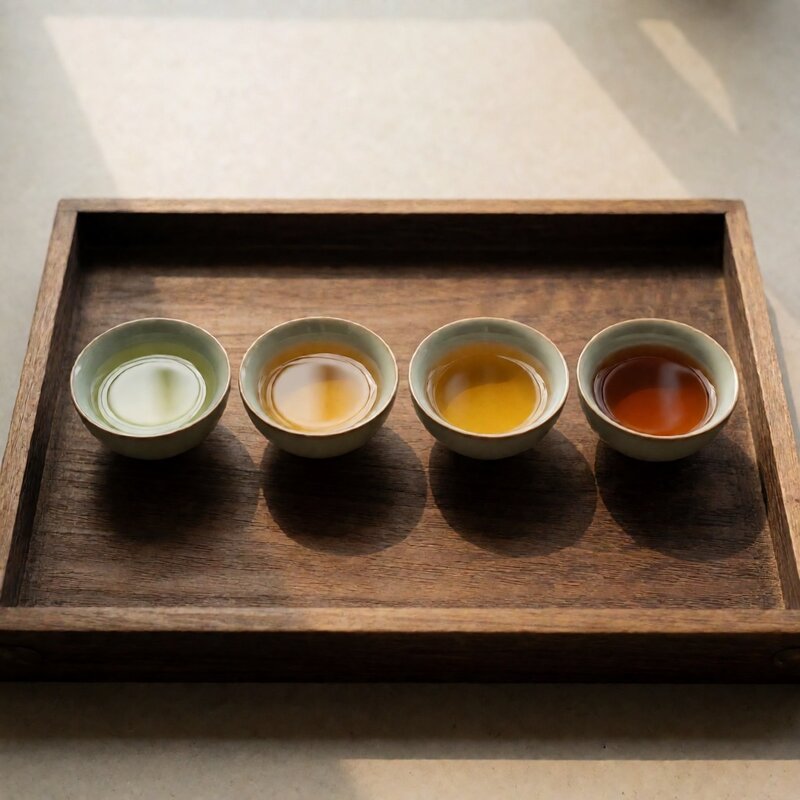
Oolong tea contains caffeine. The amount is not fixed across every bag or every cup. It changes with the cultivar, the part of the leaf used, the amount of tea in the vessel and how long the leaf stays in the water. A useful range is more honest than a single number.
A practical range
Many traditionally brewed oolong cups contain roughly 30 to 50 milligrams of caffeine per 8 fluid ounces, with some teas and stronger infusions landing higher. A cup of coffee is commonly around 90 to 100 milligrams. Oolong usually sits between green tea and black tea, but the overlap is wide enough that the brewing method matters as much as the category.
These are general reference points, not a medical measurement. If caffeine intake matters for a health condition, pregnancy or medication, ask a qualified healthcare professional rather than relying on a tea label.
What changes the caffeine in your cup
More leaf means more caffeine. A gaiwan packed with rolled oolong can produce a stronger cup than a teaspoon of the same tea. Hotter water and longer steeps extract more caffeine. Repeated short infusions can add up too, even when each cup tastes light. A large mug also contains more total caffeine than a small tasting cup, so compare like with like.
Oolong vs green tea and coffee
Green tea is often slightly lower in caffeine, but a strong green tea can exceed a lightly brewed oolong. Coffee usually delivers more caffeine per serving because it uses a much larger dose of ground coffee. Oolong is a useful middle option when you want a warm, aromatic drink without the intensity of a full coffee.
How to brew a lighter cup
Use less leaf, a shorter first steep and a smaller cup. For a lightly roasted rolled oolong, try a five- to ten-second rinse, then a first infusion of 20 to 30 seconds, adjusting to taste. Do not assume a second infusion is caffeine-free; it still contains caffeine, just less than the first.
When to drink it
If caffeine affects your sleep, keep oolong to the morning or early afternoon. The aroma and ritual can be enjoyable without a large dose. Sencha, white tea and roasted oolong all differ, so test one variable at a time rather than changing leaf, temperature and steep length together.
How to estimate your own cup
Weigh the dry leaf once and note the water volume. If a 120 ml infusion uses five grams of rolled oolong, the same tea at eight grams will be noticeably stronger. Brew a familiar cup, record the leaf, water and time, then change one variable the next day. After three trials you have a more useful personal baseline than a generic caffeine chart.
Do not confuse a light flavor with low caffeine. A pale, floral oolong can still contain a meaningful dose, especially after several infusions. If you are sensitive, keep the serving small and avoid drinking a full gaiwan session late in the day.
Compare the current oolong teas, or start with the loose leaf tea sampler if you want to taste several styles before choosing a larger bag.