


Sandalwood Incense: What It Smells Like and How to Use It
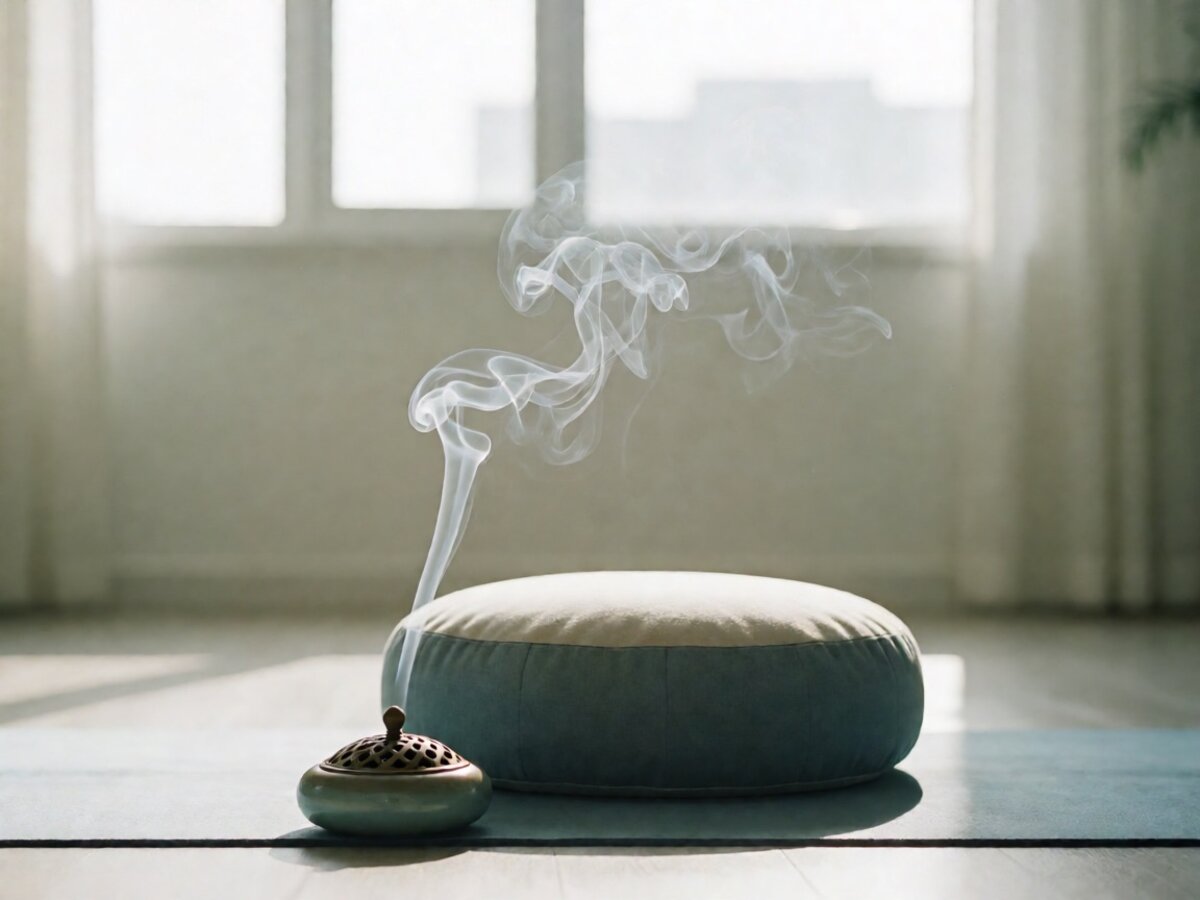
Sandalwood incense has a quiet reputation for a reason. Good sandalwood is warm, creamy and woody, with a soft finish rather than a sharp perfume. It can make a room feel grounded without announcing itself across the house.
What it smells like
Natural sandalwood often reads as milky, dry wood with a faint sweetness. Depending on the material and binder, it may show notes of cedar, powder or warm resin. A sharp, soapy or heavily sweet smell usually points to fragrance oil rather than wood. Natural incense can vary from batch to batch; that variation is part of the material.
Choose the right amount
One stick is enough for a normal room. Light it, let it burn for a minute, then leave the room and return after a few minutes. Your nose adapts quickly, and a scent that feels subtle at first can become heavy by the time the stick is half gone.
Natural or fragrance oil?
Natural sandalwood has a dry, creamy wood profile that develops slowly. A stick that smells strongly sweet, soapy or perfumed from across the room may rely on fragrance oil. Neither category is automatically unsafe, but the experience is different. Natural material tends to sit closer to the room; synthetic fragrance can project farther and linger longer on fabric.
Ask what the stick is made from and how it is scented. If a producer cannot explain the material, treat the scent as fragrance rather than wood.
Pair it with tea
Sandalwood works best beside a tea with some body: roasted oolong, aged white tea or a darker cup. A very light green tea can disappear under the smoke. Keep the incense to the side of the tea table, not directly under the cups, and use a shorter burn if the tea is delicate.
Use it as a transition
The strongest use for sandalwood is not constant scent. Light one stick when you finish work, before a evening tea or at the start of a reading session. The smoke marks a change of pace. When the stick ends, the room should still smell warm but not thick.
How often should you burn it?
Once or twice a week is enough for most homes. Daily use quickly makes the scent invisible to the people who live there, and frequent smoke settles into soft furnishings. If you want a room to feel intentionally scented, burn a shorter stick and let the room clear before lighting another. More incense is not the same as a better ritual.
Store it properly
Keep sticks dry, out of sunlight and away from strongly scented items. A closed box is better than an open shelf in a humid bathroom. If the sticks become damp, let the box air out in a dry room before closing it again. Do not store incense beside tea unless both are well sealed.
Try the hand-rolled sandalwood incense for a warm, woody burn, or compare it with the lighter scents in the six-scent incense gift set.