


Gongfu Tea Set Essentials: What Each Piece Does
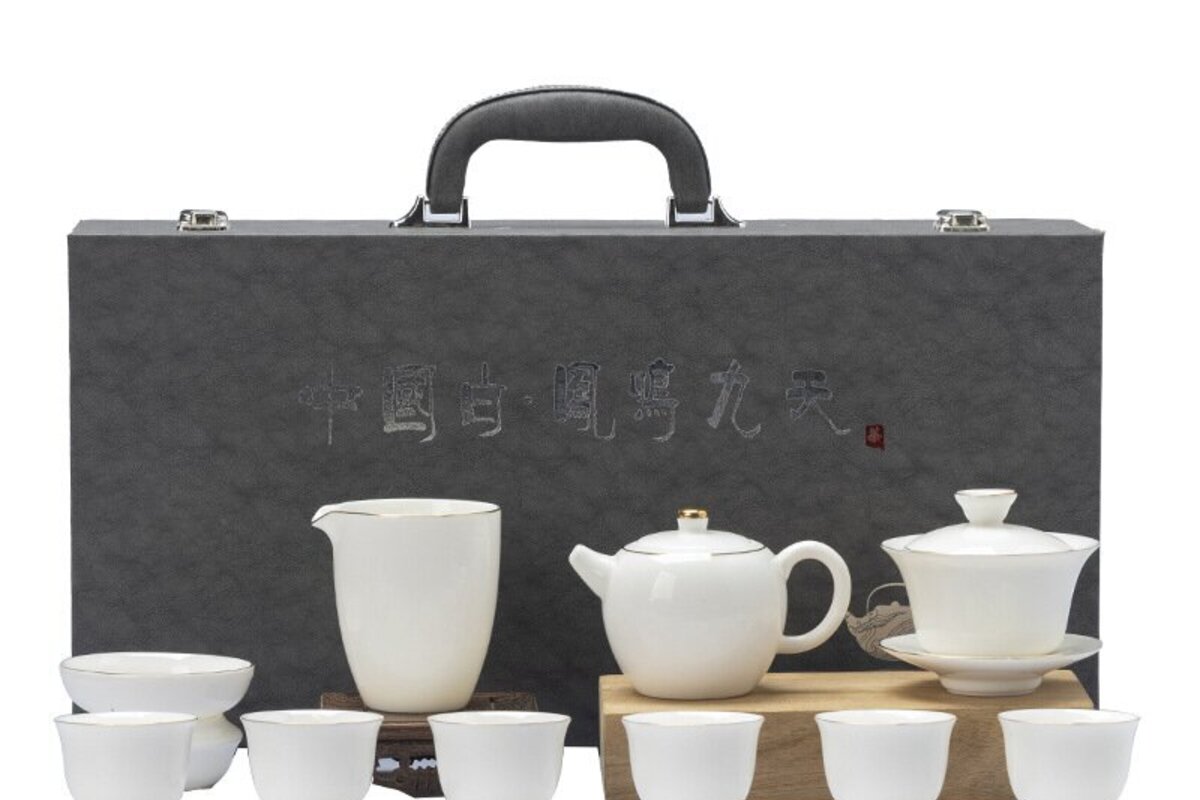
A gongfu tea set is a small working system rather than a list of matching objects. The brewing vessel holds the leaf and water, the fairness pitcher receives the infusion, the cups divide it and the strainer keeps loose leaf out of the serving vessel. A tray, pick and towel can make the process easier, but they are not what makes tea gongfu.
This guide explains the core pieces and the optional extras, then shows how to choose a set for one person, a household or a gift.
The core pieces
Brewing vessel
A gaiwan is a lidded bowl with a saucer. It gives direct control and lets you watch the leaf open. A teapot offers a handle and a larger volume, which can be easier for sharing. A set may include one or both. The vessel should feel balanced when full and should pour without dripping.
Fairness pitcher
The pitcher collects the whole infusion before it reaches the cups. This equalizes strength and stops the tea from continuing to steep in the brewing vessel. Look for a clean spout, a comfortable handle and a volume that matches the brewing vessel. Read What Is a Fairness Pitcher? for the full guide.
Cups
Small cups allow several infusions without overwhelming the drinker. Check the rim, the interior glaze and the stability of the foot. A set of six cups is practical for family use; two or three may be enough for one person.
Strainer
A strainer catches small leaf fragments between the brewing vessel and the pitcher. A removable mesh is easier to clean. If the tea is large-leaf oolong, a simple strainer may be enough. Fine broken leaf needs a finer mesh.
Useful extras
A tea tray defines the wet area and can hold drips. A tea pick helps clear a clogged spout. A small towel absorbs water and protects the table. A scale and timer help with consistency, especially when learning a new tea. None of these need to match the porcelain set.
Read How to Choose a Tea Tray and A Tea Gift Set for Beginners for the supporting pieces.
Gaiwan or teapot as the primary vessel
For short, repeated infusions, a gaiwan is compact and easy to inspect. For larger volumes or a more familiar pouring action, a teapot may be easier. If the set includes both, check that the pitcher can hold the full volume of either vessel. A beautiful set that overflows the pitcher is frustrating in daily use.
How many cups should a set include?
Cup count should follow the number of people you usually serve. Two people can share two to four small cups; a family table may need six. More cups than the pitcher can fill creates extra pouring. Fewer cups mean the tea sits while you refill. Choose the balance that fits your table.
Matching set or assembled set?
A matched set provides a coordinated look and predictable proportions. An assembled set lets you choose a gaiwan, pitcher and cups separately, which is useful if you already own some pieces. For a gift, a matched box is easier to present. For a daily table, a mix of well-fitted pieces can work better than a decorative set that is too large.
A starter setup for one person
Begin with a small gaiwan, a fairness pitcher and two cups. Add a strainer if you brew loose leaf with small fragments. Use a tray or a folded towel to protect the table. A timer on your phone is enough; you do not need every specialist tool on the first day.
Cleaning and storage
Rinse porcelain and glazed pieces with warm water, use a soft cloth for tea oils and dry them fully. Clean a strainer separately so leaf does not remain in the mesh. Store cups upright and keep lids off damp vessels. If you use clay, follow the maker’s instructions for that material instead of treating it like porcelain.
Frequently asked questions
What is the minimum for a gongfu tea set?
A brewing vessel and cups are the minimum. A fairness pitcher and strainer make the process more controlled.
Do I need a tea tray?
No, but it protects the table and defines the wet area. A towel can work for a first setup.
Can I use one set for oolong and white tea?
Glazed porcelain is easy to keep neutral. Adjust water temperature and timing for each tea.
Are six cups necessary?
Only if you regularly serve six people. Choose the cup count that matches your table and pitcher volume.
A five-minute starter setup
Place a small towel or tray on the table. Put the gaiwan at the centre-left, the pitcher to its right and the cups in a shallow row. Put the strainer between the brewing vessel and pitcher if it is not built into the set. Fill a separate pitcher with hot water and keep the tea leaf within reach without crowding the working area.
Warm the gaiwan, pitcher and cups with a little hot water, then empty them. Add leaf, pour water and start the first steep. Pour the full infusion into the pitcher, serve the cups and set the brewing vessel down. The five-minute setup is complete when every piece has a stable place and the next steep can begin without moving the entire table.
Choose a tray that fits the way you pour
A tray should catch drips without making the cups float in water. For a small table, a compact tray with a removable insert is easier to clean. For a larger tea session, a tray with drainage or a hidden reservoir keeps the surface drier. Measure the tray against the table and leave room for the pitcher and cups outside the wet area.
Wood, ceramic and metal trays feel different and require different care. Read How to Choose a Tea Tray and check the tray’s capacity against the volume of your brewing vessel.
Sequence a session
Begin with a short rinse if the tea calls for one. Pour the rinse water away, then brew the first infusion. Serve it through the pitcher, taste and decide whether the next steep should be longer or shorter. Keep the leaf in the brewing vessel only for the intended time. Between steeps, empty the pitcher and cups so the next infusion starts clean.
The sequence matters more than a long list of tools. A timer, a pitcher and a tray create enough structure for a calm session. Add a pick, scale or extra cup only when a specific problem appears.
What not to buy first
Do not start with every accessory shown in a styled photograph. A set of six matching cups, three trays and multiple pots can crowd a small table. Begin with one brewing vessel, a pitcher, two or six cups and a simple tray. Buy a second pot only when you have a tea or serving size that the first vessel cannot handle. Buy a larger set only when the table and the group have grown into it.
The value of a matched set
A matched set makes proportions easier to predict and creates a coherent gift. An assembled set can be more personal and more efficient if you already own some pieces. Check the glaze and size across the pieces either way. A set looks coordinated when the rim height, cup size and pitcher spout work together, not only when the surface color matches.
A simple equipment budget
Set a budget for the pieces you will use most often: brewing vessel, pitcher and cups. Spend more on a comfortable rim and a clean pour than on extra decorative accessories. A tray, pick and towel can be added later when a real need appears. If you want one matched set for gifting and one practical setup for daily use, buy the practical pieces first.
How to know the set is complete
A set is complete when it supports your actual brewing routine. One person may need a gaiwan, pitcher and two cups. A family may need a teapot, six cups and a larger pitcher. A gongfu set is not complete simply because every object in a photograph is present; it is complete when the volumes fit and the pieces can be cleaned and stored without strain.
After the first session, review what you reached for and what stayed in the cupboard. Add a strainer if leaf reaches the pitcher, a tray if the table stays wet or a second cup if guests are always sharing. Let use reveal the missing piece rather than buying an entire catalogue at once.
If the first session feels crowded, remove one optional tool instead of buying another accessory.
Bottom line
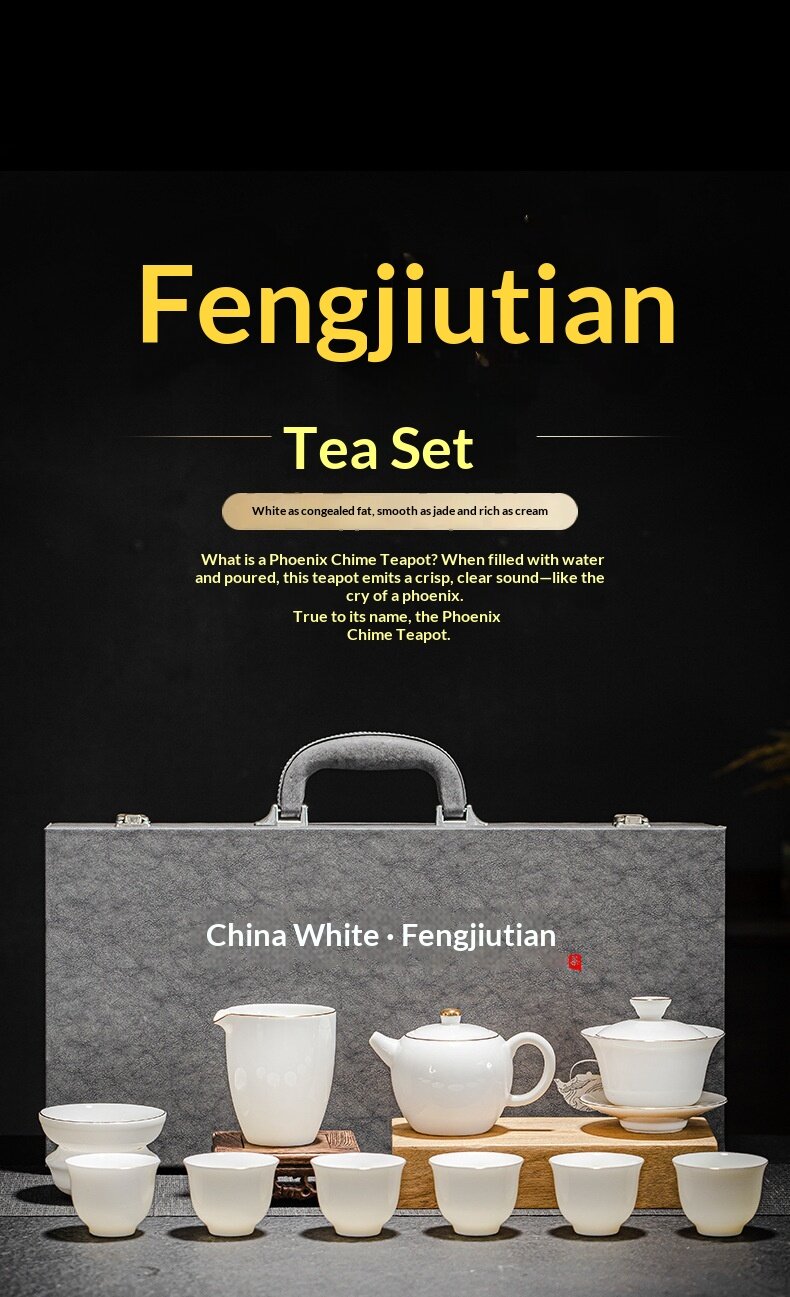
Build the set around the brewing vessel, pitcher and cups you will actually use. The Qingming Scroll nine-piece set is gaiwan-led, while the Fengjiutian set adds a teapot. Compare both in the white porcelain collection. Start with the pieces you will use daily, then add a tray or extra cups when a real serving need appears.