


Gaiwan Size Guide: How to Choose the Right Capacity
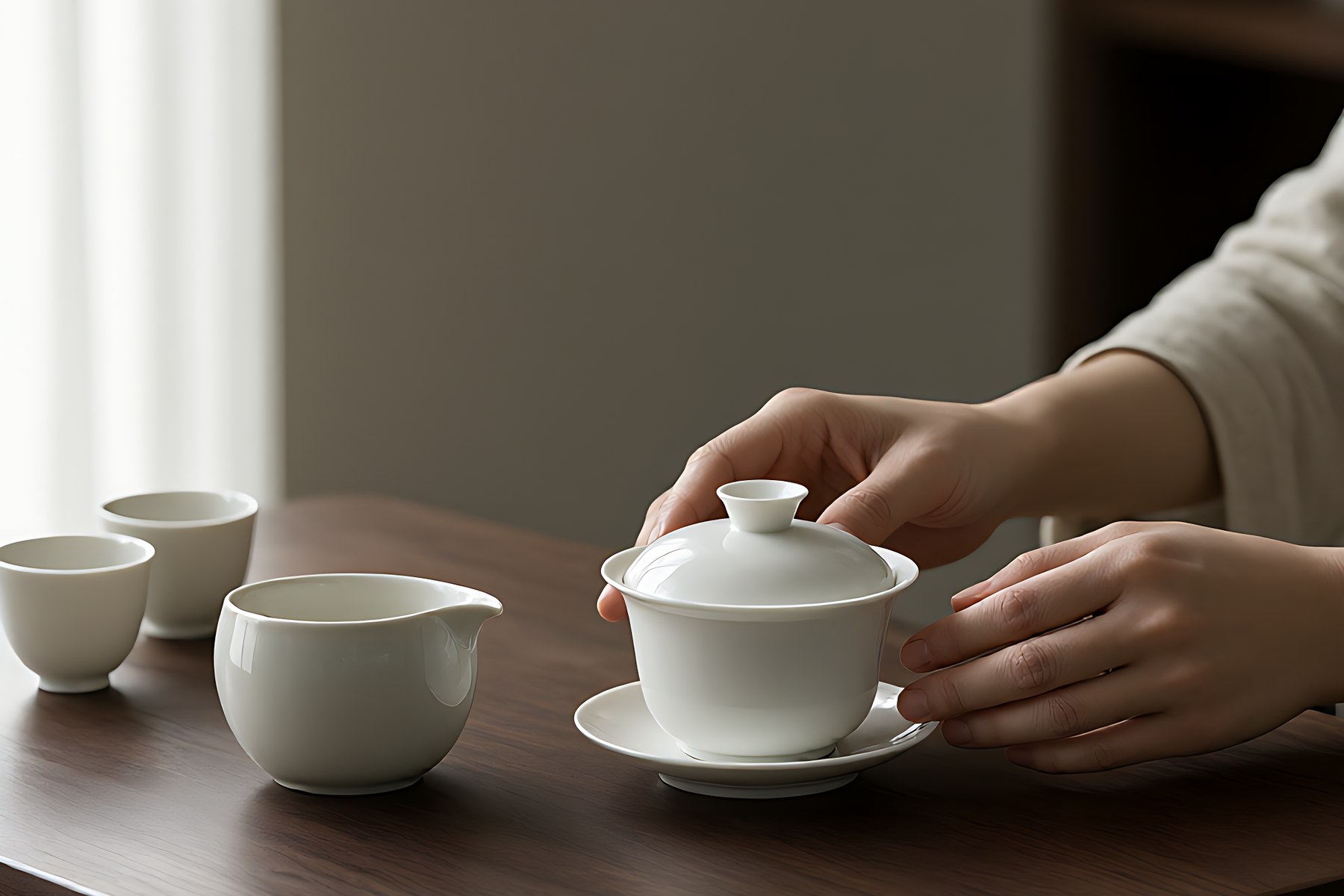
A gaiwan looks simple: a bowl, a lid and a saucer. Capacity changes the experience more than many buyers expect. A very small gaiwan can be perfect for one person tasting a rolled oolong, while the same tea in a larger gaiwan may be awkward to handle, difficult to pour cleanly or too much liquid for a small fairness pitcher.
Capacity is not a ranking. There is no universal “best” size, and there is no need to own several gaiwans before making good tea. The useful approach is to match the brewing vessel to the number of drinkers, the tea you brew most often, the size of your cups and the size of your hand.
Why gaiwan capacity matters
A gaiwan holds both tea and water. If the bowl is too large for the amount of leaf you use, the tea can spread out and cool differently from the concentrated session you intended. If it is too small, expanding leaves may fill the bowl and make the lid difficult to place or the pour difficult to control.
Capacity also affects the wrist and fingers. A full gaiwan is heavier than an empty one, and the rim becomes hotter. A vessel that feels comfortable in a shop with no water may become unstable after a full infusion. Choose a size you can hold with confidence.
How gaiwan capacity is usually measured
Listings often give a number in milliliters, but that number may refer to the brim capacity rather than the amount you actually use. A 150ml gaiwan does not necessarily mean you serve 150ml of tea. Leaf takes up space, the lid displaces some liquid and most people stop below the rim to avoid burning their fingers.
When comparing two gaiwans, look for both capacity and practical usable volume, if the seller provides it. Otherwise use a simple test at home: place the brewing vessel on a scale, fill it to a safe level with water, then pour that water into a measuring cup. Repeat with the kind of leaf you normally brew. That is more useful than guessing from the outer shape.
Small gaiwans: roughly 90–110ml
A small gaiwan is a good match for one person who likes concentrated, short infusions and wants to taste how a tea changes. It can also work for two people using very small cups. The compact bowl heats quickly, gives the leaf less room to float freely and makes a full pour easy to control with one hand.
The limitation is expansion. A tightly rolled oolong may open considerably, and a compressed tea may need more room. If the leaf fills most of the bowl before water is added, the gaiwan is too small for that tea or needs a smaller leaf dose. A small gaiwan also gives less margin for a guest who wants a larger cup.
Everyday gaiwans: roughly 120–150ml
This middle range is often the most flexible for a modern home tea setup. It can serve one person through several short infusions, pour into a small fairness pitcher and still make two or three modest cups. It is large enough for many whole-leaf teas to expand without becoming unwieldy.
Do not treat the range as a rule. A 120ml gaiwan with a wide rim may feel different from a tall 120ml gaiwan. A wider bowl can make the leaf easier to inspect and the lid easier to place, while a narrower bowl may concentrate heat and aroma. Handle both shapes before deciding.
Larger gaiwans: roughly 160–200ml and above
A large gaiwan can be useful when serving several people, brewing a tea that benefits from a generous leaf dose or using cups that are larger than a tasting cup. It may also be easier for someone with limited dexterity because the vessel is easier to see and the surface is broader.
But larger does not automatically mean easier. A full large gaiwan is heavier and retains more heat. The rim may be harder to grip, and the volume may exceed a small fairness pitcher. If you like serving several people, check the gaiwan, pitcher and cups as a set rather than buying the largest bowl on its own.
Match capacity to the tea
Whole-leaf oolong, large-leaf black tea and some white teas can expand dramatically. They benefit from enough room to open and release flavor. Tender green teas may look delicate but can also need space to avoid stewing. Broken teas and very fine leaves may need a more cautious dose because they release quickly.
There is no capacity that fixes a brewing problem by itself. Water temperature, leaf amount, infusion time and pour speed still matter. A small gaiwan does not automatically make tea stronger, and a large gaiwan does not automatically make it weaker. Capacity changes the ratio and the room available to the leaf.
Consider hand size and the rim
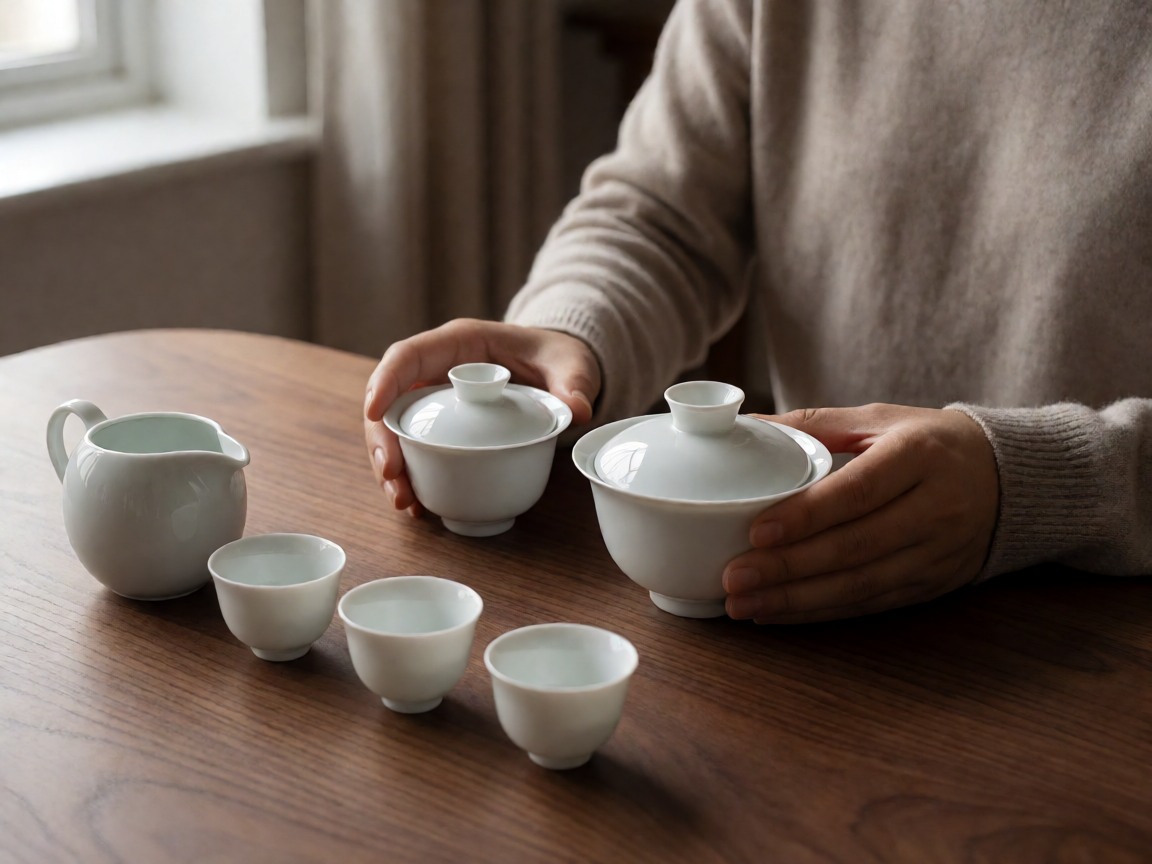
A gaiwan should feel stable in the hand before it is full. Hold the empty bowl and imagine it with hot water. Can your fingers reach the rim without touching the hottest part? Can you lift the lid without pinching it? Can you pour until the tea stops without the lid sliding?
A thick rim and a pronounced flange can make a gaiwan easier to hold. A very thin rim may feel elegant but heat up faster. This is one reason two gaiwans of the same capacity can perform differently. If you have limited grip strength, a slightly smaller full weight may matter more than a larger capacity.
Coordinate with the fairness pitcher
The gaiwan needs to empty into the next vessel without overflowing. If the gaiwan is larger than the fairness pitcher and you fill it near the top, the pitcher may not hold the whole infusion. If the pitcher is much larger, a small amount of tea spreads over a wide surface and cools faster.
A good starting point is to choose a pitcher that can hold the full practical pour from your gaiwan plus a little room. Our guide to what a fairness pitcher does explains why the whole infusion should be collected before serving. Product dimensions are only a starting point; a water test at home is more reliable.
How many cups does the gaiwan serve?
Cup size changes the answer. A 120ml pour may fill two very small cups, one medium cup or several tasting portions. A 180ml pour may serve three or four small cups if the cups are modest. Do not calculate by nominal gaiwan capacity alone, because leaf and safe fill level reduce the actual pour.
Measure your usual cups. A tea cup that looks small may still hold more than a tasting cup. If you serve guests, use the same cup size for the test so the comparison is meaningful. For cup shapes and daily use, see how to choose a tea cup.
Does material change the size question?
Material affects heat, weight and the look of the tea liquor. White porcelain is neutral and makes color easy to judge. Glass shows the leaf but can feel hotter. Celadon and other glazed ceramics may have a different weight and rim shape. Unglazed clay may retain aroma and is usually dedicated to a tea type.
A larger stoneware gaiwan may be heavier than a similar-capacity porcelain one. A thin porcelain bowl may heat through quickly. The best way to judge is to compare the actual filled weight and the rim, not just the material name. Browse the porcelain collection if you want to compare shapes.
Test a gaiwan before committing
Fill the gaiwan with water to a comfortable level, place the lid on and pour into a pitcher. Repeat with the lid slightly offset if that is how you normally pour. Notice whether water runs down the outside, whether the lid slips and whether your fingers stay clear of the hot rim.
Then add a representative amount of dry leaf and repeat the imaginary brew without hot water. The leaf should not force the lid up or block the opening. This dry test takes a minute and can prevent a purchase that looks beautiful but does not fit your tea.
What about gift gaiwans?
A gift gaiwan should suit the recipient’s usual cup size and experience. A 120–150ml gaiwan is often a versatile starting point for someone new to loose-leaf tea, but it is not universal. If the recipient already has a favorite cup, ask about the cup rather than guessing from a product photo.
A set with a gaiwan, fairness pitcher and cups can be more useful than a very large decorative bowl, but only if the pieces work together. Check whether the gift includes tea, whether the recipient has a kettle and whether the packaging explains how to use the pieces. Our tea gift set guide can help with the rest of the selection.
A simple size decision
For one person who drinks short infusions from small cups, start small. For a flexible household setup, choose the middle range. For sharing with several people, size up only after checking the pitcher, cups and weight. If you often brew different teas, a middle gaiwan is usually the easier first purchase than an extreme size.
Do not buy multiple gaiwans to solve a problem you have not measured. First test the vessel you own with water and the cups you actually use. A small adjustment in leaf amount or pour volume may be more useful than another purchase.
Gaiwan size checklist
- Measure practical water volume, not only the stated capacity.
- Consider how much the tea leaves expand.
- Check the full weight in your hand.
- Confirm the gaiwan pours into your pitcher without overflow.
- Test with your usual cups and number of guests.
- Keep the rim and lid easy to control.
- Choose a middle size first if you are unsure.
Frequently asked questions
Is 120ml a good gaiwan size?
It can be a flexible middle size for one or two people, but the right choice depends on your cups, tea and hand. Test the practical pour rather than relying on the number alone.
Can a gaiwan be too large?
Yes. A large full gaiwan can be heavy, hot and difficult to pour, and it may exceed the capacity of a small pitcher. Size up only when the rest of the setup supports it.
Does a smaller gaiwan make tea stronger?
It changes the leaf-to-water ratio and the room available for expansion, but strength still depends on leaf amount, temperature and infusion time.
Bottom line
Choose a gaiwan by practical volume, hand comfort and the way you serve tea. Stated capacity is a starting point, not a promise. A vessel that pours cleanly, leaves room for the leaf and fits your pitcher will be more useful than one that is merely the largest or the most beautiful on the shelf.