


Incense and Tea: Why They Were Always Paired Together
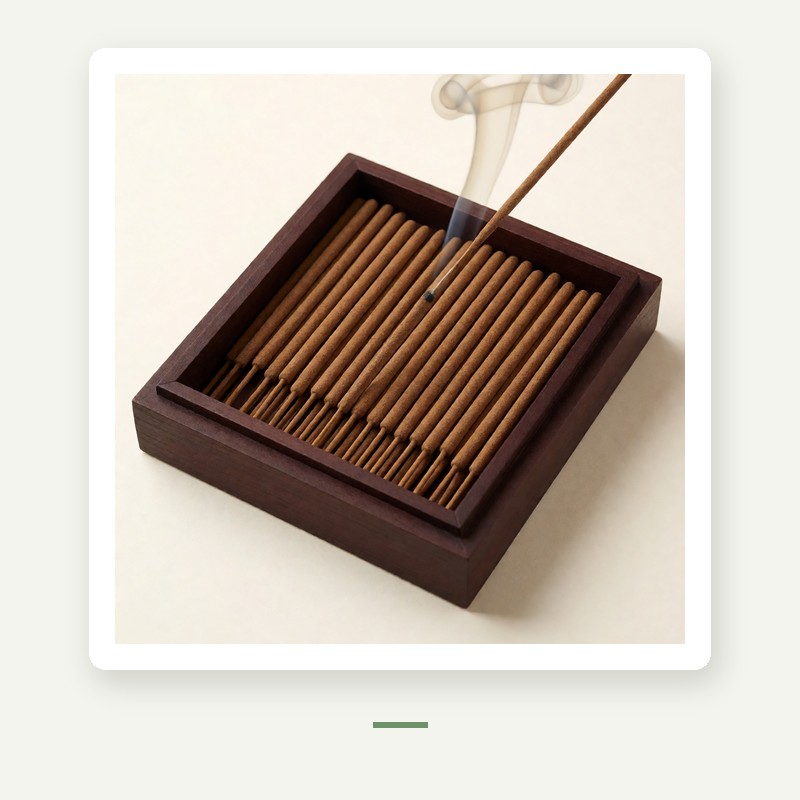
If you have ever sat down to a serious pot of tea in a Chinese home, you have probably noticed the incense. It is not a décor choice. The pairing is older than the tea ritual we import it from, and there is a reason it has stuck. This is about that reason.
How the pairing got built
In the Chinese tea tradition, the table is not just where you drink. It is where you slow down. Incense marks the start of that slowdown. The smoke is the signal that the pace has changed, that the next thirty minutes are for the cup. Without the incense, the transition is just you sitting down. With it, the transition is a decision. That is the whole function of the incense at the tea table.
How the scents actually interact
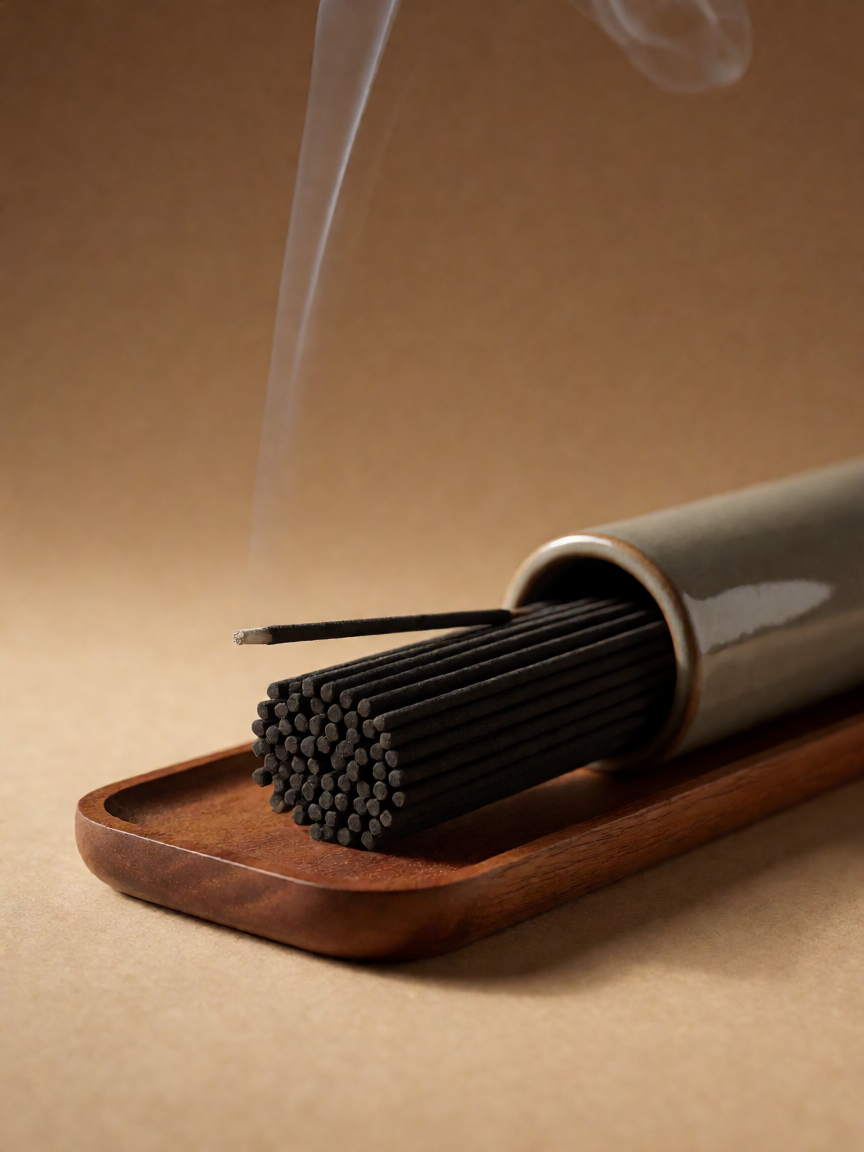
A cup of oolong has a fragrance profile that is already doing the work. A heavy, thick incense will not sit under that. It will fight it. A light sandalwood or a white tea incense sits under the oolong without stealing it. The rule is the same as the rule for food and wine, let the cup lead, let the incense support. If you have a strong hand-rolled agarwood stick, a cup of white tea is not a match. A cup of oolong is.
What to actually pair
Green tea, a light sandalwood. Oolong, a white tea incense or a very light agarwood. Aged white tea, a deeper agarwood, because the tea has enough body to take it. The two incenses we carry, hand-rolled sandalwood and the six-scent gift set, are built for exactly this range of pairings. The set covers the light end of the table; the sandalwood covers the green end.

Before you start the ritual
Light the incense before the water reaches the kettle. The first breath of smoke is what tells you the table is ready. Keep the window open enough to move the smoke without trapping it in the room. See the Incense & Aromatics category for the current burners and holders to pair with either incense.