


White Porcelain Vases: What to Look for Before You Buy
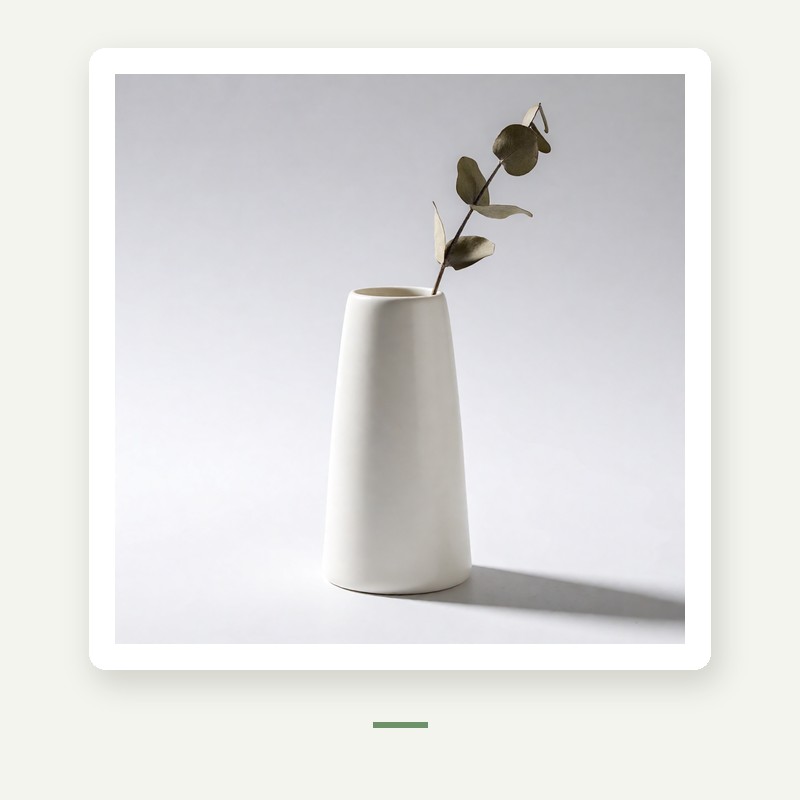
A white porcelain vase is the most unforgiving object in your home. You will see it every day, it is unadorned, and the difference between a well-made one and a poor one is visible within the first hour of living with it. Three things decide it.
The glaze is the whole piece
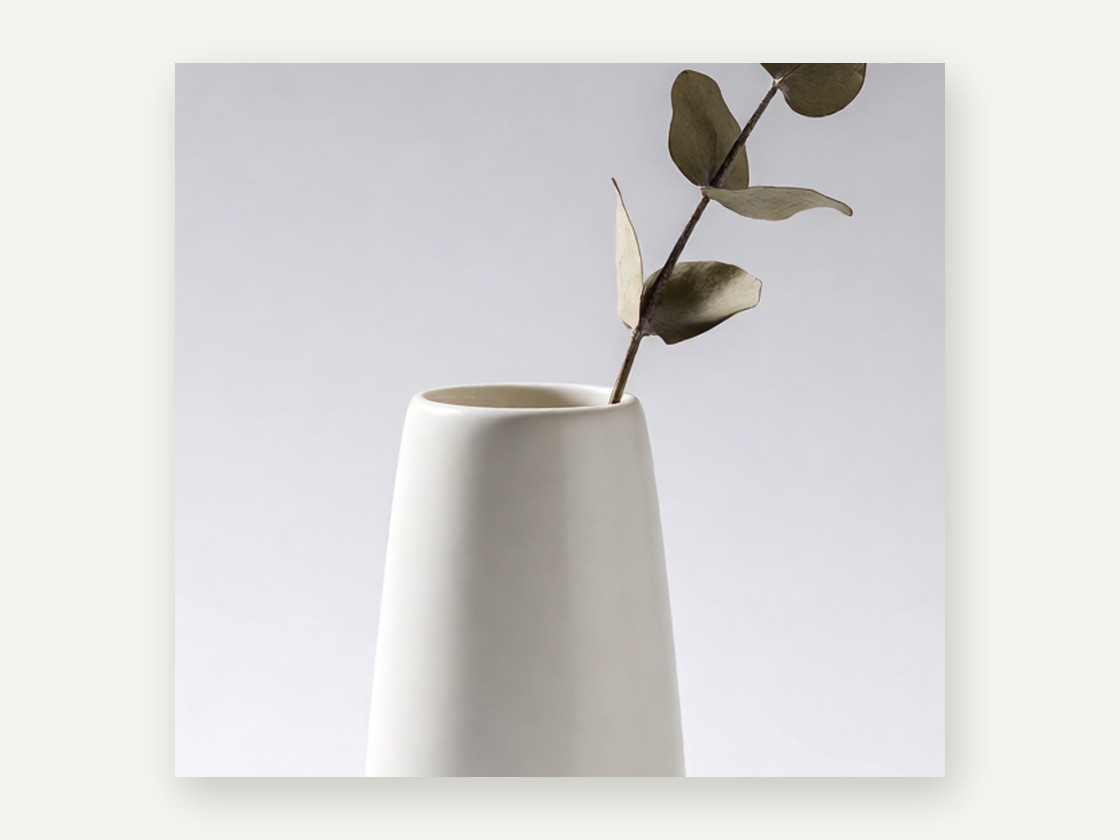
On white porcelain, the glaze is not a coating over the body. It is the surface. Look for a glaze that reads as white and slightly warm, not stark and clinical. A good glaze throws a subtle shift of colour in moving light. A flat, opaque white that looks the same in every light is a cheaper glaze. Check the listed glaze finish, matte versus glossy, before you order, because that is the single biggest visual difference between two vases of the same shape.
Wall thickness and weight
A thin-walled porcelain vase rings when you tap it. A thick-walled one is dull. The weight also tells you about the glaze: heavy, dense porcelain is fired hotter and denser, which is what you want. A light, chalky vase is usually a lower-fire piece and will chip at the foot ring first.

The foot ring is where the piece survives
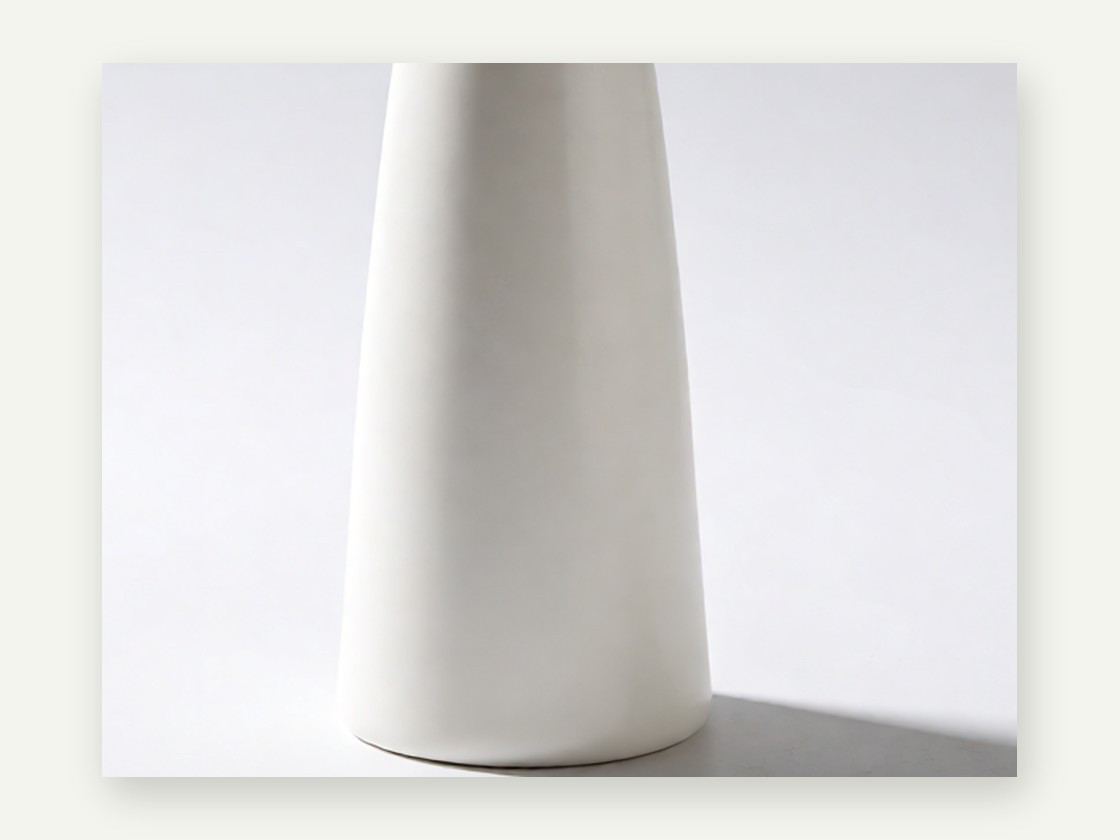
Turn the vase over. The foot ring, the unglazed base, is the first thing to chip and the last thing a manufacturer cares about. A clean, consistent foot ring with no glaze splash or cracks is the sign of a piece that was checked before it shipped. Compare the foot diameter to your shelf and your stand. A foot that is too small for a tall vase is the most common reason a vase looks like it is about to fall over.
Size it to your stems
Measure the tallest stem you regularly use, and pick a vase that is at least as tall. A short vase with long stems becomes a bucket. See the White Porcelain category for the current height and glaze options.