


White Tea: The Slowest, Simplest Tea You Can Buy
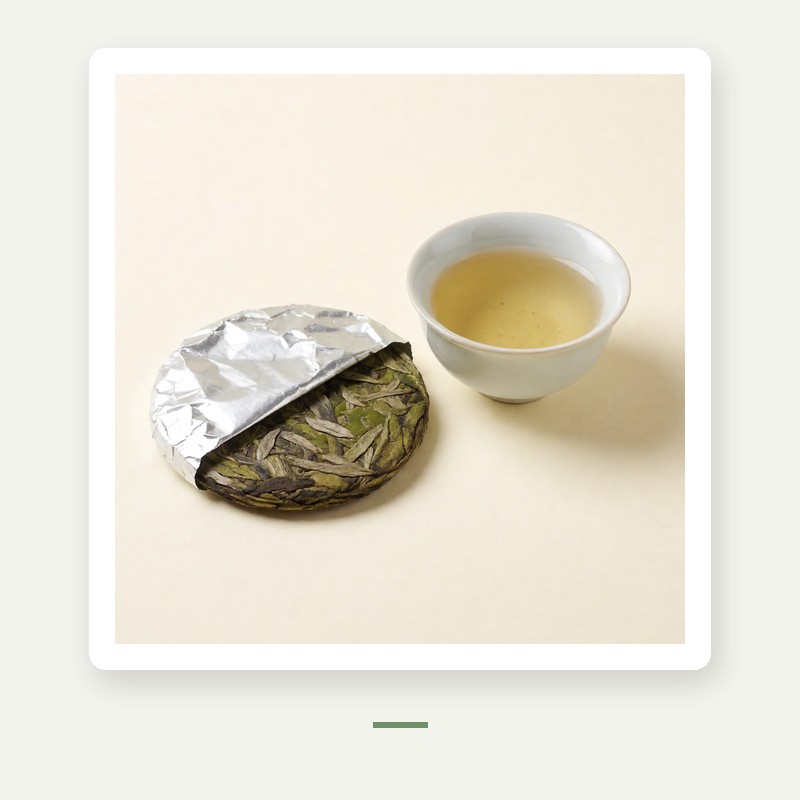
White tea is the least processed tea you can buy. No roasting, no rolling, no forcing of oxidation. The leaves are picked, dried, and left largely alone. That restraint is the whole character of the drink. But because white tea is also the easiest label to overuse, here is how to tell what you are actually holding.
It is not just a pale green tea
White tea is picked earlier in the season, usually the first flush, and it is the buds that count most. A young white bud, silver-tinged, is called silver needle. A bit older, two leaves around a bud, is called baby white. The same plant, the same season, different harvest windows. The flavour difference is real: earlier is sweeter and lighter, later has more body.

Age changes white tea more than anything else
Most teas should be kept from the air and the light. White tea is the exception. Aged white tea, three years or more, keeps improving. The sharp, fresh notes give way to dried fruit, honey, and a rounder mouth feel. That is why some producers sell aged cakes. A three-year aged cake and a one-year loose leaf are almost different drinks.
How to brew it without the mistakes
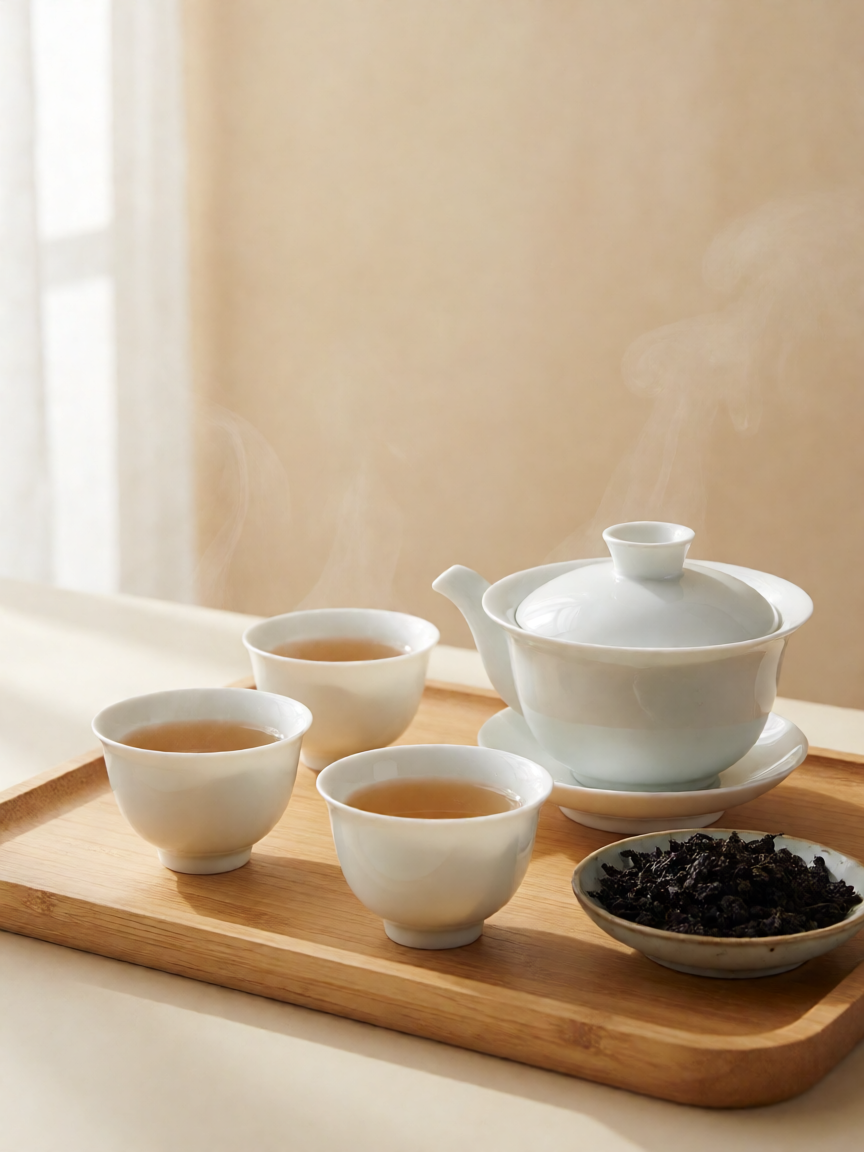
White tea does not need high heat. A rolling simmer, not a full boil, is the ceiling. Use less tea than you would for green. A little leaf, a slightly warm water, and a longer steep. The bitterness that people complain about is almost always too much leaf and too much heat. For young silver needle, keep the water just under boiling and the steep under two minutes. For aged white tea, the water can be a little hotter and the steep a little longer.
Before you order
Check the harvest year, the grade, and whether the listing says loose leaf or cake. For aged white tea, the storage history matters as much as the year. See the Tea category for current white tea offerings and the Loose Leaf Tea Sampler for a first-taste range of oolongs and whites.