


Caring for White Porcelain: Stains, Cracks and Daily Use
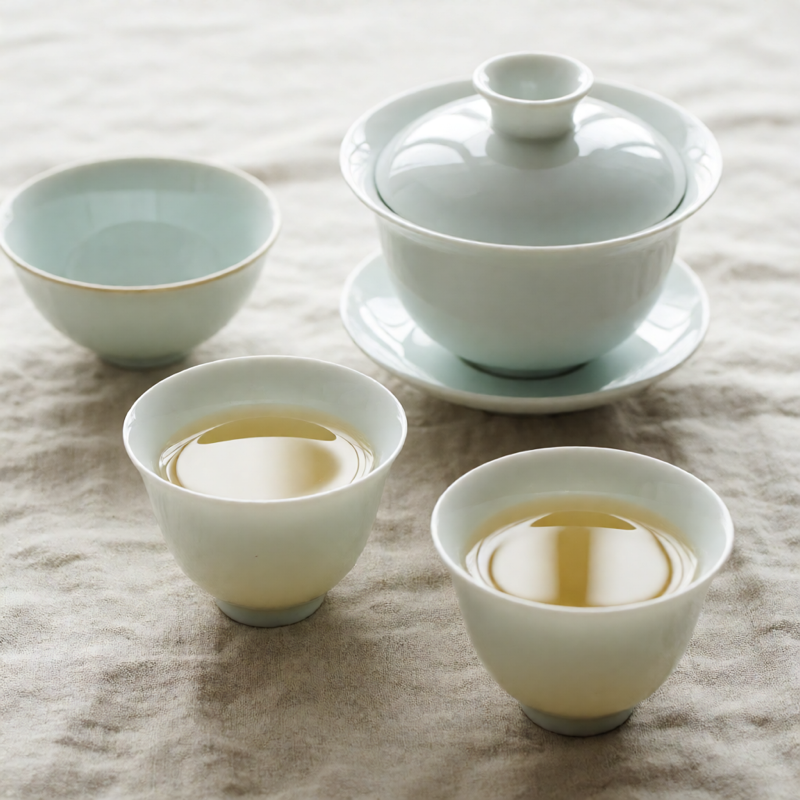
Porcelain is one of the most forgiving materials in a kitchen, which is exactly why it gets treated carelessly. A good cup will outlast the person who bought it, provided you avoid three specific things: sudden temperature change, abrasive cleaning and stacking.
Cleaning after every session
Rinse with hot water. That is genuinely all that is needed most days. If you leave tea sitting in the cup overnight, the tannins start bonding to the glaze, and what would have been a rinse becomes a scrub.
When a deeper clean is needed:
- Warm water with a drop of mild washing-up liquid.
- A soft sponge or cloth. Never a scouring pad, steel wool or abrasive powder — these scratch the glaze and the scratches then trap tannin, making future staining worse.
- Rinse thoroughly and dry with a cloth rather than leaving it to air-dry, which leaves water spots on white glaze.
Removing tea stains
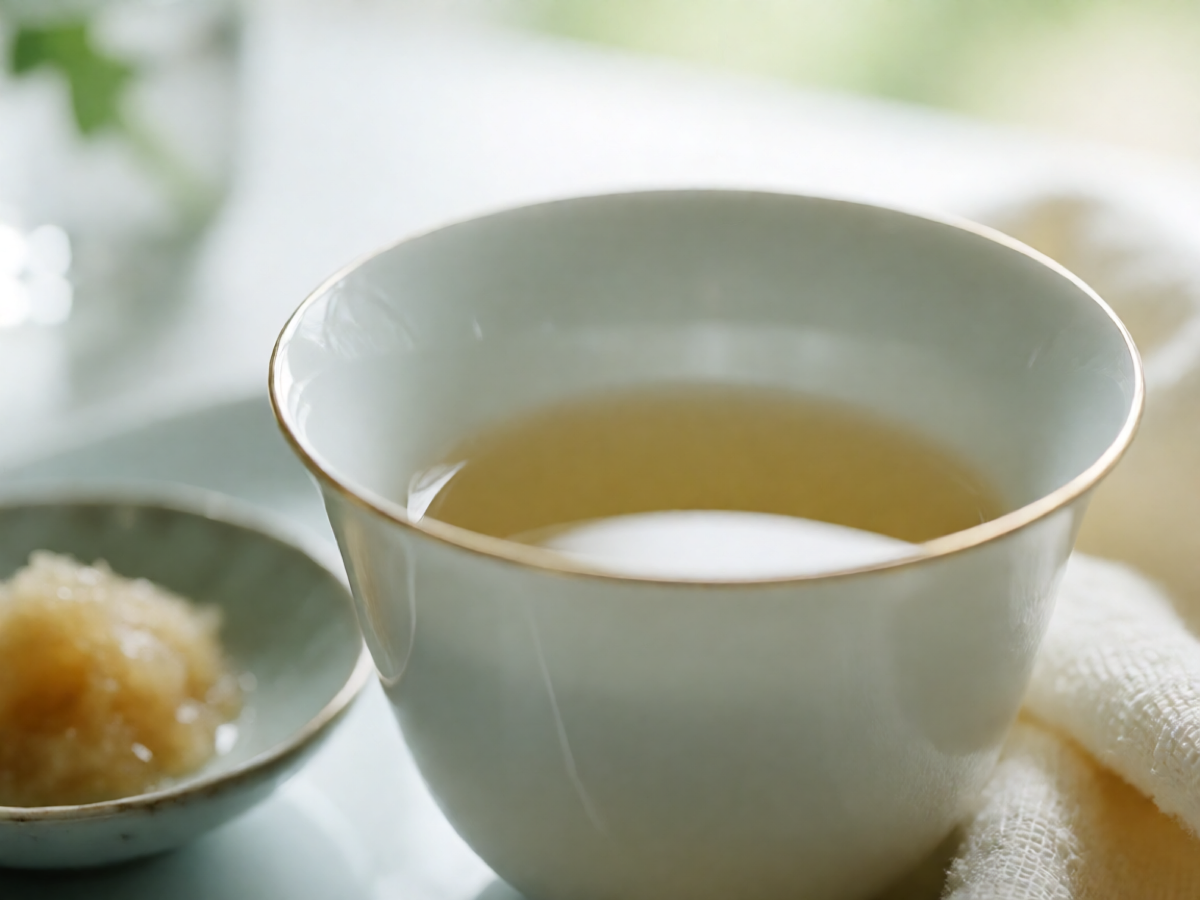
Stubborn brown staining on the inside is normal on a well-used cup and is not harmful, but if you want it gone, the reliable method is a paste of bicarbonate of soda and a little water, worked in with a fingertip, then rinsed. For heavy build-up, a soak in warm water with a tablespoon of bicarbonate for twenty minutes does the job without abrasives.
Do not use bleach on porcelain you drink from. It works, but it is difficult to be certain it is fully rinsed out of a crazed or textured surface.
Metal marks and cutlery scuffs
Grey marks left by a spoon or a metal strainer are usually not scratches — they are metal deposited on the glaze. A little bicarbonate paste or a proprietary cleaner for porcelain removes them. If the mark does not come off with a light rubbing, it is a genuine scratch, and no amount of cleaning will remove it.
Crazing: the fine network of lines
Crazing is a web of hairline cracks in the glaze, caused by the glaze and the body expanding at different rates during firing or by a temperature shock later. On older or traditionally fired pieces it is common and largely cosmetic, and many tea drinkers like it because the lines darken with use.
Two caveats. A crazed surface is more likely to hold onto stains and smells, so it needs thorough rinsing. And if the crazing appeared suddenly after a temperature shock, the piece is now more fragile and should not be used with boiling water.
Actual cracks and chips
A chip on a rim is a permanent change to the piece. A food-safe ceramic adhesive can hold a decorative object together, but a cup or gaiwan with a compromised rim should be retired from drinking use — glazes and bodies differ, and a chip exposes a surface that was never meant to meet hot liquid.
The three things to avoid
- Temperature shock. Never pour boiling water into a cold gaiwan straight from a cold shelf, and never run a hot piece under cold water.
- Abrasives. No scouring pads, no powder cleansers.
- Stacking without protection. Cups stacked rim-to-base grind against each other every time the cupboard is opened. A felt pad or a cloth between them solves it.
Storing a set
Store cups upright or on a soft surface, keep the gaiwan lid separate so it is not resting on the rim, and avoid leaving pieces somewhere they will be knocked. Porcelain does not need to be hidden away; it needs to not be dropped.