


How to Tell Good Tea by Sight, Smell and Taste
You do not need a grading certificate to tell whether a tea is good. You need to look at the leaf, smell it twice and pay attention to what happens after you swallow. Five things cover almost everything.
First: the dry leaf
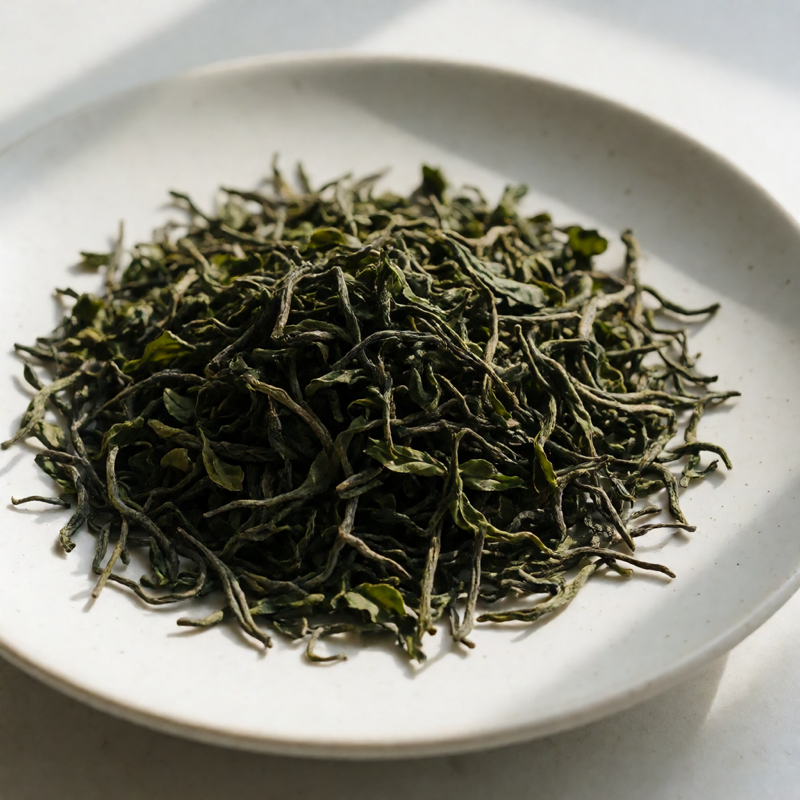
Pour a spoonful onto a white plate. Whole, unbroken leaves are a good sign; a pile of dust and fragments usually means the bottom of a batch. Colour should be reasonably even — a green tea that is part yellow-brown has been sitting, and a roasted oolong that is almost black has been roasted hard enough to hide what was underneath.
Smell the dry leaf too. It should smell like the tea, not like a perfume counter. If a jasmine tea smells overwhelmingly of flowers when cold, the scent was added rather than absorbed.
Second: the wet leaf, after brewing
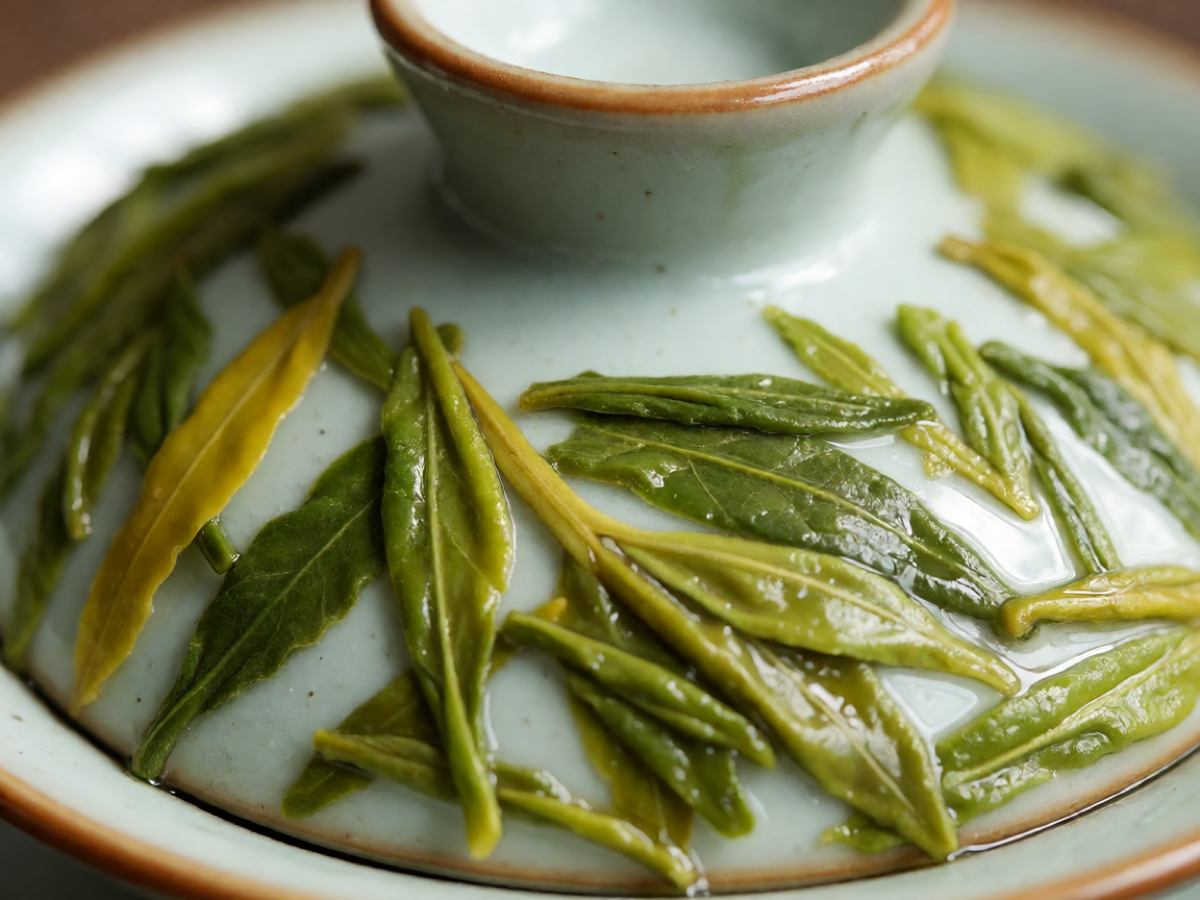
This is the most informative look at a tea, and the one most people skip. After two or three steeps, tip the leaves onto the lid or a plate and look:
- Whole leaves that have opened out fully indicate careful picking.
- Even colour across the pile means the batch was processed consistently.
- Elastic leaves — ones that bend rather than crumble — show a tea that was not overheated.
- Stems in quantity are not automatically bad, but heavy stem with little leaf is a cheap pick.
Third: the aroma, twice
Smell the empty warmed vessel before you add water; smell the lid right after you pour; then smell the empty cup once it is empty. Good tea keeps giving different things at each point. A tea that smells impressive on the first pass and then nothing on the third steep is usually scented rather than layered.
Fourth: the taste, and where it sits
Bitterness is not a flaw by itself — many good oolongs have a bitterness that turns into sweetness. The question is whether it clears. Bitterness that stays on the back of the tongue for a minute after you swallow is a processing problem, usually too much heat or too long a roast.
The finish matters more than the first impression. Notice whether sweetness returns after you swallow, and how long it lasts. That aftertaste is what people mean by a tea with depth.
Fifth: how it behaves over several steeps
Brew the same leaves four or five times and watch. Good tea holds up: the third steep is often better than the first, and the fifth is still recognisably the same tea. A tea that gives everything in the first pour and tastes of water by the third is either a very light tea or a poor one, and the difference is usually visible in the wet leaf.
Flaws that actually matter
- Smoke where it does not belong — usually a drying problem.
- Wet cardboard — storage damage, and it does not improve.
- Sharp, lingering bitterness — overheating in the kill-green stage.
- Flatness across all steeps — old leaf or too little leaf in the pot.
What does not matter as much as people think
Price is a poor guide in both directions. A high price can reflect a famous mountain, a small harvest or simply a story. A low price can be an excellent everyday tea. The only reliable test is the one in your cup, and it costs one spoonful to run.