


How to Store Tea and Incense So They Keep Their Scent
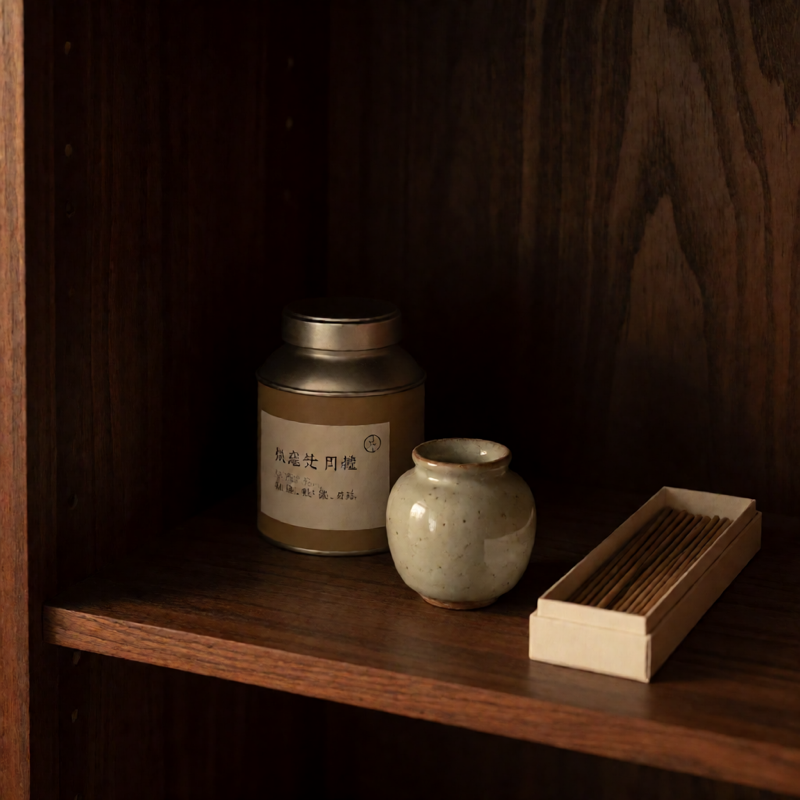
Tea and incense fail in the same four ways. Heat drives off the aromatic compounds, light breaks them down, air oxidises them, and whatever is stored next to them is what they will smell like in a month. None of it is complicated; it is just easy to get wrong once and not notice until the tin is empty and the last cup tastes of nothing.
Why tea goes flat
Green and lightly oxidised oolong teas are the most fragile. Their character comes from fresh, volatile compounds that start leaving the leaf the moment it is exposed to air and warmth. A green tea kept in an open bag on a shelf tastes like hay within a season.
Roasted oolong, ripe pu-erh and aged white tea are the opposite. They are stable, and some improve with time — but only if the storage is clean and dry. A pu-erh stored next to spices will taste of spices permanently.
The storage rules
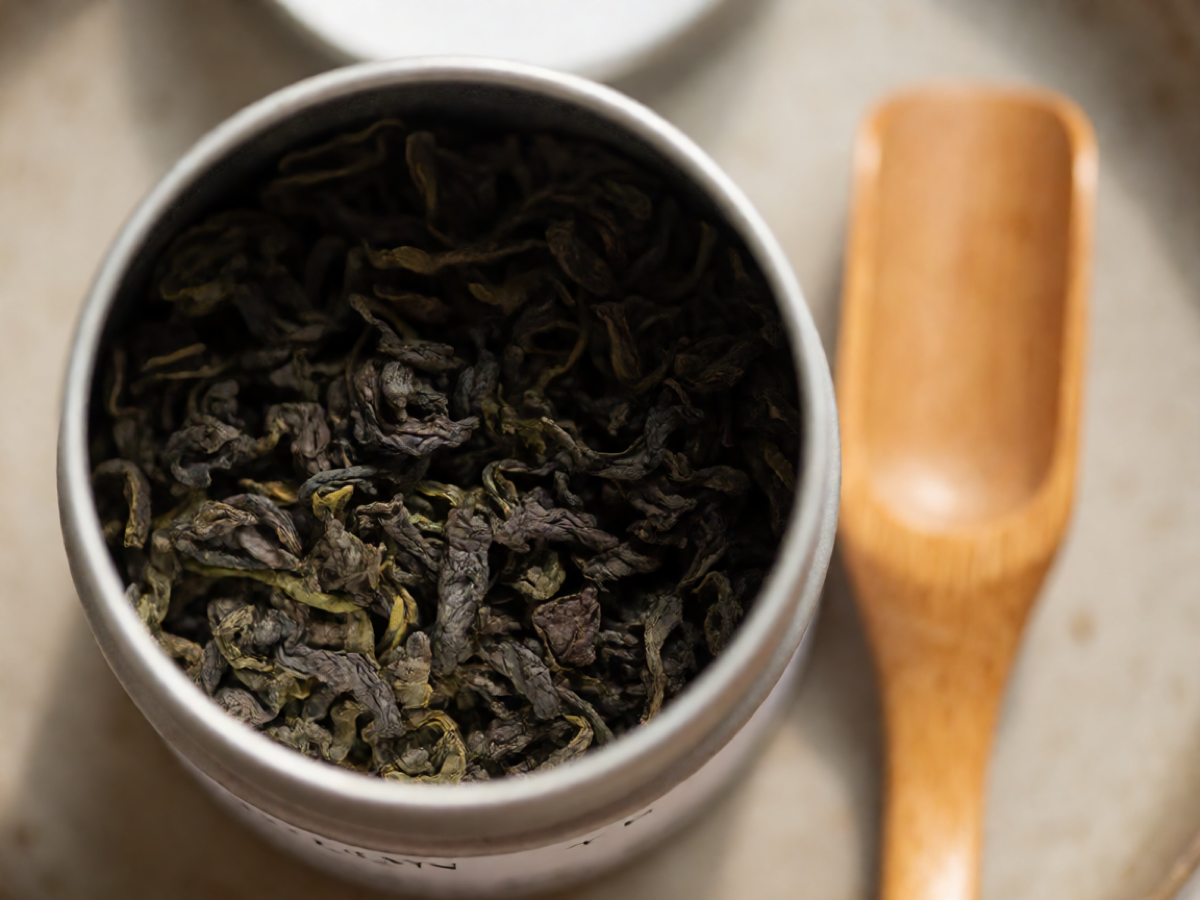
- Air-tight, not just closed. A folded-over bag is not air-tight. Use the tin the tea arrived in, or a jar with a real gasket.
- Dark. A clear glass jar on a sunny shelf is the fastest way to ruin green tea.
- Cool and stable. Next to the stove or above a radiator is worse than a slightly warm room with no temperature swings.
- Alone. Not beside coffee, spices, soap or incense.
- Small quantities. Buy 50g rather than 250g, and finish it before it fades.
Should tea go in the fridge?
Usually not, and this is the part most people get wrong. A domestic fridge is damp, full of other smells and opened many times a day. Unless the tea is vacuum-sealed and you let the tin come to room temperature before opening it, the fridge does more harm than good.
The exception is a large quantity of green tea bought in spring to last the year: seal it in an air-tight bag, put that inside a second container, and freeze it in portions you will not need to open repeatedly.
How incense fails
Incense is more forgiving than tea but not immune. Humidity is the main enemy: a damp stick burns unevenly, smells dull and will not stay lit. Direct sunlight makes the stick brittle, so it snaps when you straighten it. Storing incense in a kitchen means it absorbs cooking smells, which is exactly what you do not want from a sandalwood stick.
Storing incense properly
- Keep it in the box or tube it came in — those are usually designed for it.
- Store in a dry cupboard, away from the kitchen and bathroom.
- Keep the bundle together rather than loose in a drawer, so sticks do not bend.
- If the scent has faded, move it somewhere drier for a few weeks before assuming it is ruined.
Incense does not really expire, but it does go quiet. A box left in a damp room for a year will smell like cardboard when it burns.
How long each keeps
Green tea: best within three to six months of opening. Light oolong: six to twelve months. Roasted oolong and ripe pu-erh: years, if the storage is clean. Aged white tea: years, and it is meant to change. Incense: two to three years before the scent noticeably softens, longer in a genuinely dry cupboard.
Write the date on the tin when you open it. It is the single easiest way to stop guessing why a familiar tea tastes unfamiliar.