


Tea Through the Seasons: What to Drink When
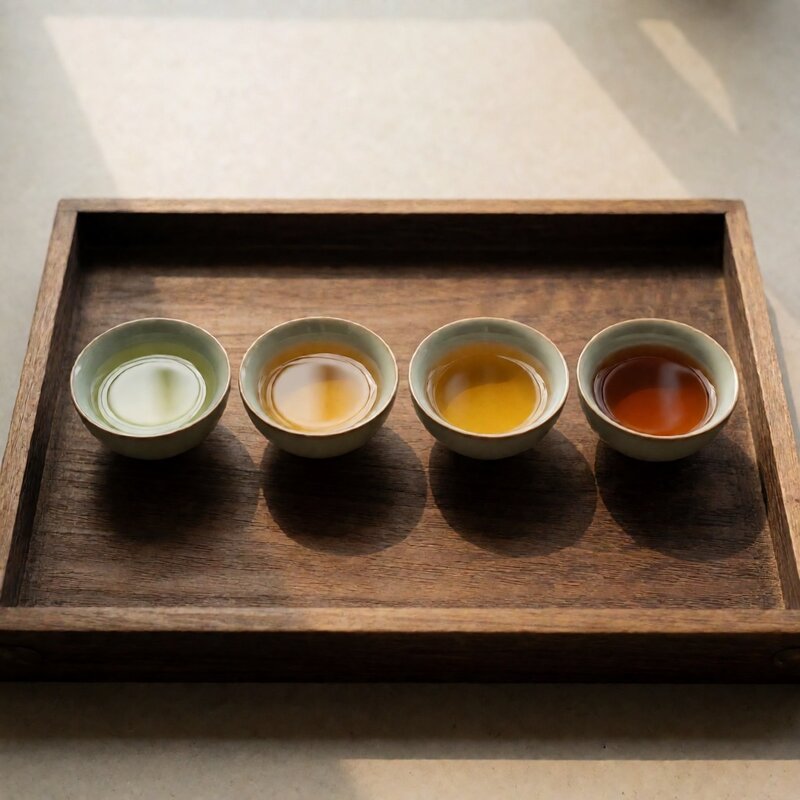
Chinese tea culture has long matched the leaf to the season. The logic is practical rather than mystical: spring tea is fresh and should be drunk while it is fresh, summer calls for something cooling, autumn suits the roast, and winter wants depth and warmth. Drinking this way keeps a year of tea interesting without buying anything unusual.
Spring: greens and light oolong
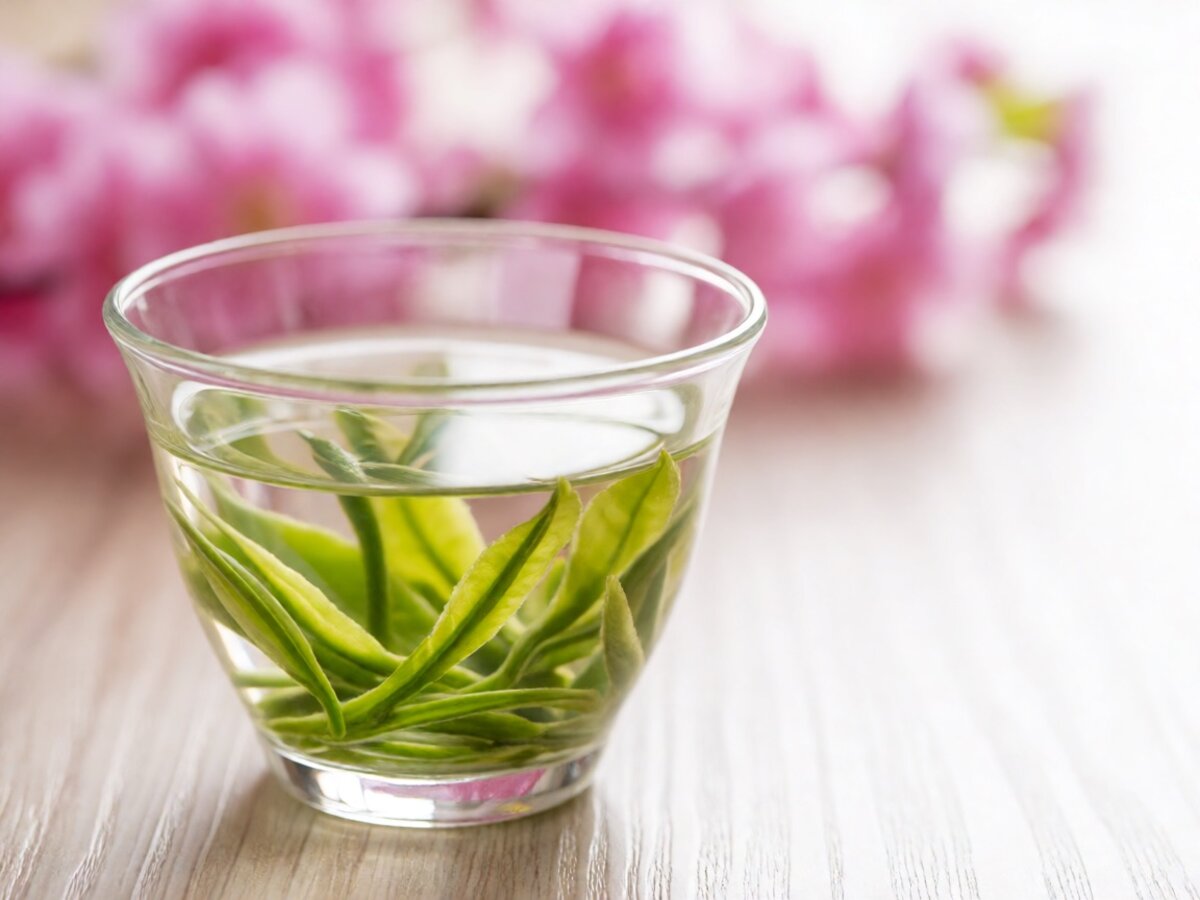
Spring leaves carry the energy of the new season. Longjing and Biluochun are the classic greens — light, grassy, with a sweet finish — and a lightly roasted Tieguanyin works just as well. The catch is that green tea does not keep. Buy small amounts, store them cold and dark, and finish them within a few months rather than saving them for next spring.
Water should be a little cooler for spring tea: just below boiling, or the fresh edge turns into bitterness.
Summer: cooling oolongs and white tea
When the weather is hot, heavy roasted teas feel like too much. This is the season for lighter oolongs, for white tea, and for tea served at room temperature rather than scalding. Cold-brewing works well: a spoon of leaf in a bottle of water, left in the fridge overnight, gives a sweet infusion with no bitterness at all.
Autumn: roasted oolong and light pu-erh
As the evenings cool, the roast starts to make sense. Wuyi rock oolongs and darker Tieguanyin have a baked, mineral character that suits the season, and a light, young pu-erh fits the same register. This is also the right time to start drinking the spring greens less often — their freshness has peaked.
Winter: dark, fermented and warming
Winter is for aged pu-erh, dark roasted oolong and heavily fermented teas, brewed hot and often in a clay pot that holds the heat. A ripe pu-erh in a Yixing pot is the most reliable winter cup there is: earthy, deep, and forgiving of a slow afternoon.
A one-line seasonal calendar
- March to May: green tea, light oolong.
- June to August: white tea, high-mountain oolong, cold brew.
- September to November: roasted oolong, young pu-erh.
- December to February: ripe pu-erh, dark roast, aged white.
Switching without wasting tea
You do not need to finish one tea before opening the next. Keep two or three on the go, in small airtight tins, and let the weather decide. What matters is storage: heat, light and air are what flatten a leaf, and a tea that has been sitting open on a shelf since spring will taste tired by October however good it was when it arrived.
Buy less, more often. A 50g tin drunk within six weeks beats a 250g bag kept for a year.