


The Vessel and the Leaf: Choosing the Right Teaware for Your Practice
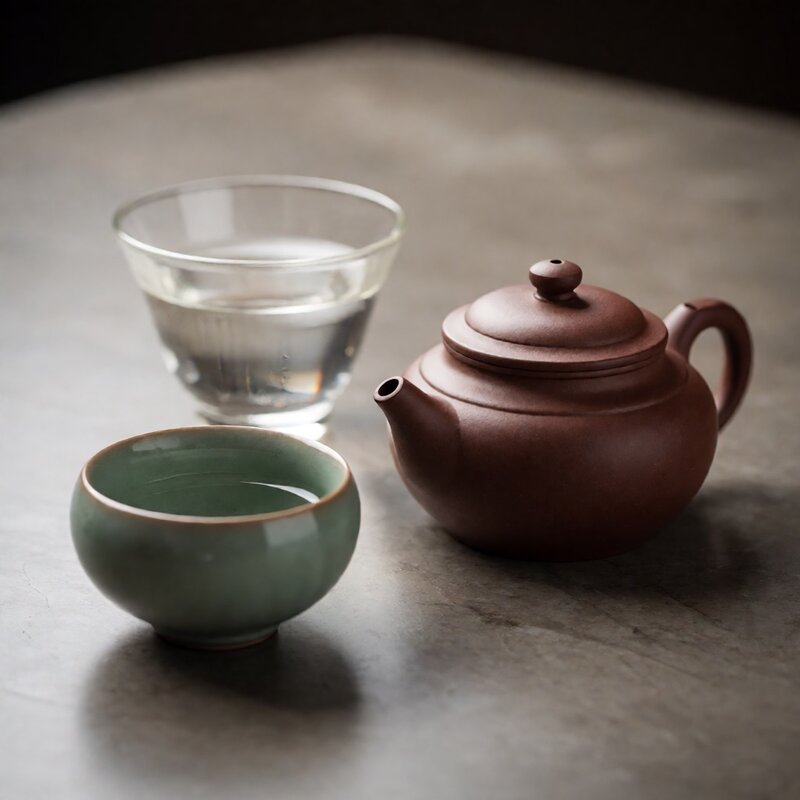
The vessel you brew in is not neutral. Clay, porcelain and glass each handle heat differently, and each leaves a slightly different fingerprint on the tea: one mutes, one preserves, one shows everything. Choosing well is less about taste than about knowing what you want the tea to do.
Porcelain: the honest option
Glazed porcelain adds nothing and takes nothing away. It does not absorb aroma, it does not hold the heat of a previous tea, and it cleans back to zero. That neutrality is why porcelain is the standard for tasting: when you want to judge a leaf, you want no argument from the vessel.
A gaiwan — the lidded bowl — is the cheapest way to get that neutrality. It also gives you the most control: you can see the colour of the liquor, smell the lid, and pour in two or three seconds.
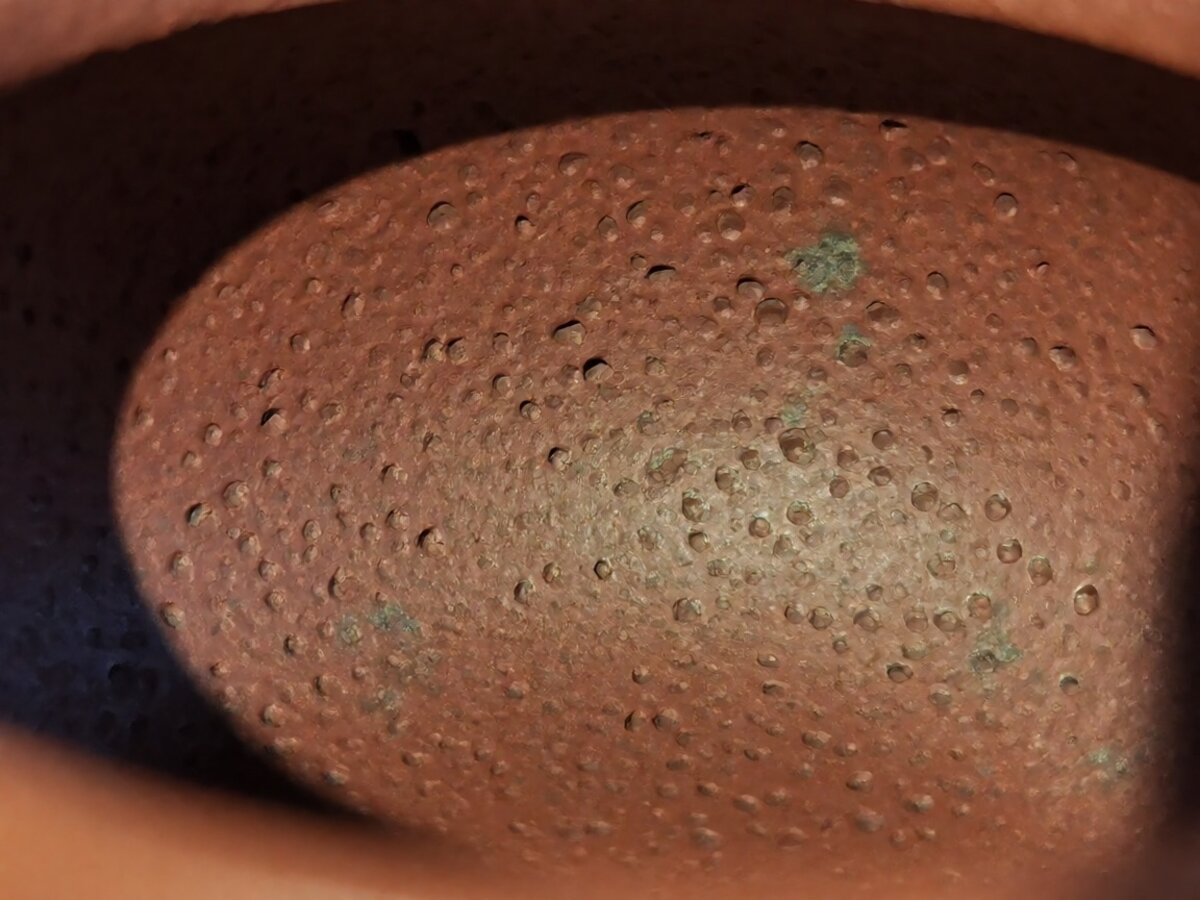
Yixing clay: the vessel that remembers
Unglazed zisha clay is porous. Over months of use it absorbs tea oils, and the pot gradually seasons: the same leaf brewed in a seasoned pot tastes rounder and sweeter than in a new one. The cost is that it also remembers the last tea. This is why the rule is one pot, one tea.
- Dedicate a pot to one family of tea: roasted oolong, or aged pu-erh, or shou mei white.
- Never wash it with soap. Rinse with hot water and let it dry open.
- Do not scrub the inside. The patina is the point.
- If you brew other teas in it "just once", you will taste it for weeks.
Glass: clarity and heat loss
Glass is the opposite of clay. It shows everything — leaf, colour, the way the leaves unfurl — and it absorbs nothing. It also loses heat quickly, which suits green and white teas that should not be stewed. A tall glass with a handful of longjing is a genuinely good way to drink spring tea.
Match the vessel to the leaf
- Green and white tea: glass or thin porcelain, so you can watch it and stop the steep early.
- Light oolong: porcelain gaiwan; the aroma is the point.
- Roasted oolong and pu-erh: Yixing clay; the pot softens the roast and holds heat.
- Everyday brewing with several people: a small porcelain pot, because it is easy to clean and impossible to spoil.
Caring for the pieces
Handmade porcelain is tougher than it looks, but it dislikes sudden temperature change: a hot gaiwan into cold water is how hairline cracks start. Clay wants the opposite kind of care — no soap, no scrubbing, and a slow air dry with the lid off.
If you are starting out, buy one gaiwan and one small cup before you buy a pot. The gaiwan will teach you more in a month than a seasoned pot will, because it hides nothing.