


The Way of Tea: A meditative practice for modern life
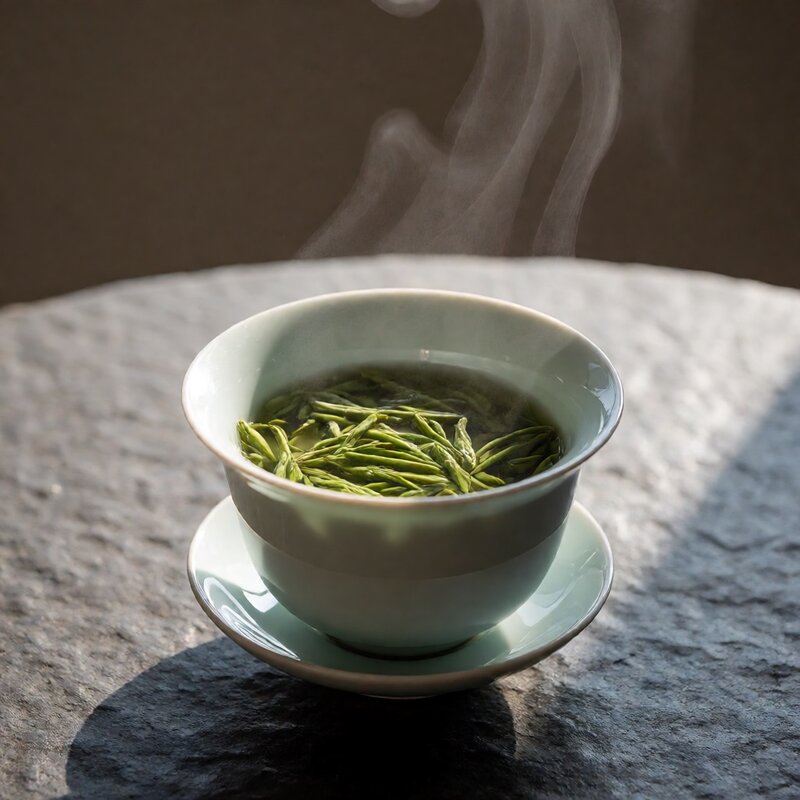
In the Chinese tradition, tea is not only a drink. It is a practice of presence: water, leaf, vessel and attention, arranged so that the mind has somewhere to rest. Nothing about it is dramatic. That is exactly the point.
What the practice actually is
Boil water. Warm the vessel. Measure leaves. Pour, wait, pour again. The sequence is short enough to hold in your head and long enough to notice when you rush it. Because the steps are fixed, they take the decision-making away: for ten minutes you are not choosing what to do next, you are only doing the next thing.
That is what makes it a meditation rather than a hobby. The repetition is the technique. You are not trying to empty your mind; you are giving it a small, concrete job so it stops rehearsing tomorrow.
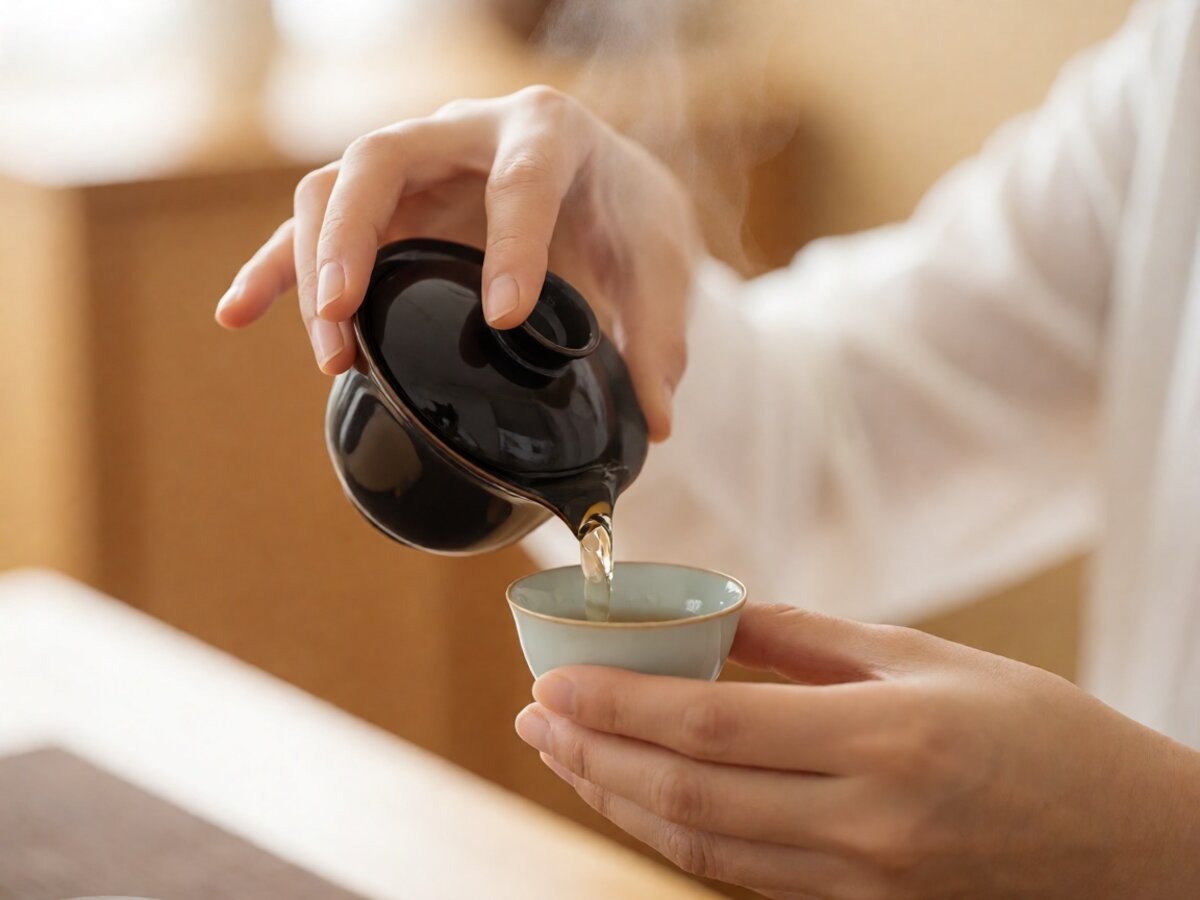
A ten-minute version that works
- Boil water. While it heats, put your phone in another room.
- Warm the gaiwan or pot with a splash of hot water, then pour it out.
- Add leaves. About 5g for a gaiwan, more for a large pot.
- First pour. Fifteen to twenty seconds, then pour it off. This is the rinse, not the tea.
- Three steeps. Ten, fifteen, twenty-five seconds. Same leaves, changing taste.
Ten minutes of this, done daily, does more than an occasional elaborate session. The routine is the point, not the performance.
Why slow is useful, and why slow is not the goal
Slowness is a side effect. If you pour deliberately it is because the water is hot and the vessel is small, not because slowness is virtuous. Chasing the aesthetic of slowness usually produces a performance instead of a practice, and performances need an audience.
What to drink while you learn
Start with a forgiving tea. A light oolong or a white tea tolerates an extra ten seconds without turning bitter, which matters when your attention is elsewhere. Leave delicate green teas for later, and do not begin with anything expensive: the first month is about the habit, not the leaf.
Common mistakes
- Making it a project. Two vessels and a tray stand between you and starting.
- Drinking while distracted. Tea in one hand and a screen in the other is not the practice.
- Over-steeping, then blaming the tea. Check the time once, then adjust.
- Doing it once a week and expecting it to change anything.
The practice asks for ten minutes and no equipment you do not already own. Everything after that is preference.