


How Oolong Is Made: Withering, Bruising and Roast
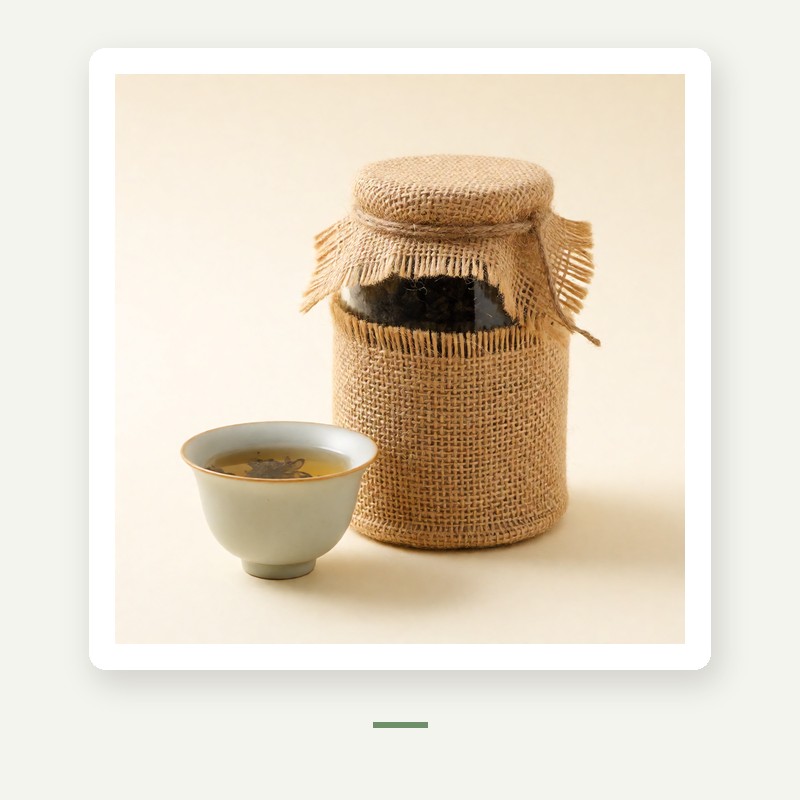
Green tea is heated early to stop oxidation. Black tea is allowed to oxidise almost all the way through. Oolong stops somewhere in the middle, and the exact point where the maker stops it is the whole character of the tea.
Withering
Fresh leaves are spread out and left to lose moisture. They go soft and pliable. This is not a passive step. How long the leaves wither decides how much room the next stage has to work with.

Bruising
The leaves are tossed or tumbled so their edges crack. Cell walls break, enzymes meet air, and oxidation begins along the torn edges. A maker may repeat this several times, resting the leaves in between, watching colour and smell shift.
This is the step that separates oolong from every other tea. It is also where the aromatics come from: the floral, creamy or stone-fruit notes people associate with oolong are largely built here, not added later.
Fixing
Once the maker decides oxidation has gone far enough, heat is applied to stop it. This is called fixing, or kill-green. Timing is everything. A few minutes either way changes the tea from bright and floral to heavy and dull.
Rolling
The leaves are rolled, which breaks them down further and shapes them. Tightly rolled oolongs unfurl slowly in the pot, which is why they are usually brewed several times rather than once.
Drying and roast
The tea is dried, then some styles are roasted over charcoal or in an electric roaster. Roasting deepens the colour and moves the flavour toward toast, caramel and dried fruit. It also makes the tea more stable in storage.
Not every oolong is roasted. Tie Guan Yin, from in , is often sold lightly oxidised and barely roasted, which is where its green, orchid-like character comes from. Phoenix oolong from Guangdong is grown from single old trees and tends to be more aromatic and more roasted.
What this means when you brew
Highly rolled and lightly roasted oolongs want water just off the boil and short steeps. Heavily roasted oolongs can take hotter water and slightly longer, and they usually keep for years without fading.
If a tea tastes thin on the first steep and much better on the third, that is normal for oolong. The leaf is still opening.